Japan Unveils Buddharoid: An AI-Powered Robotic Monk That Can Deliver Buddhist Sermons

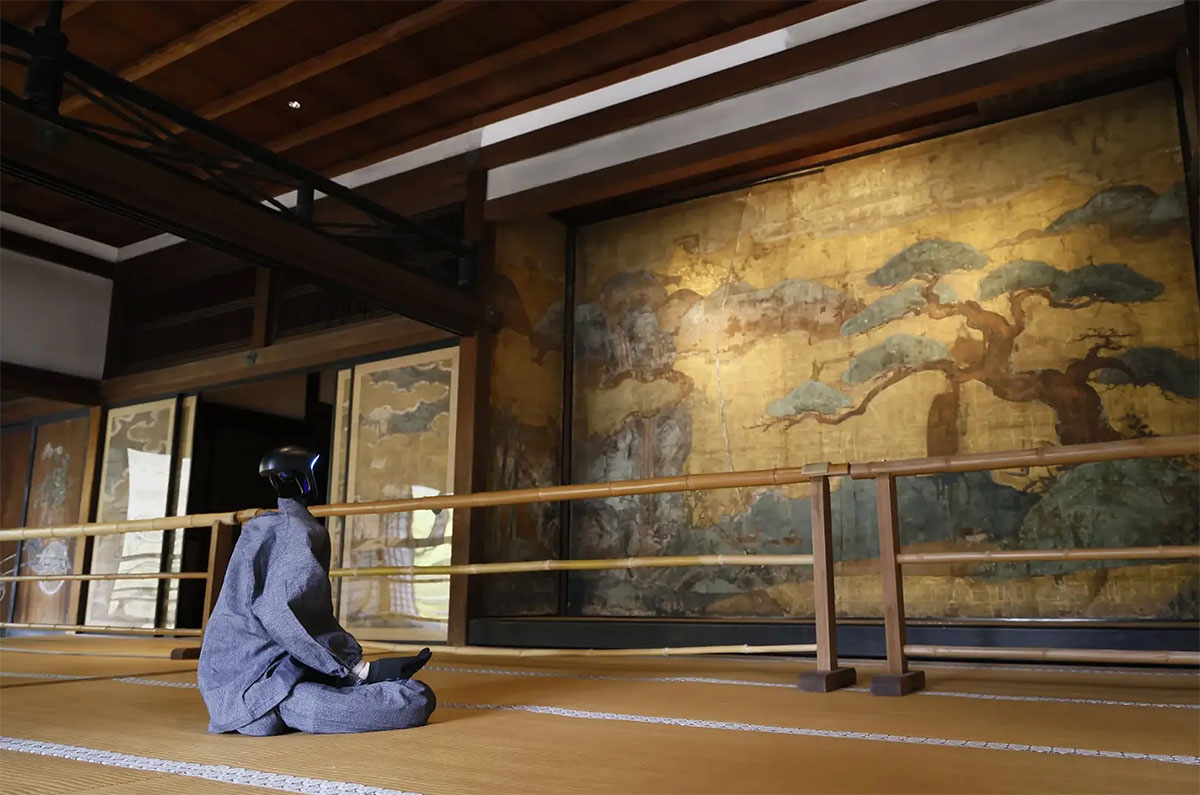
Kyoto University has just unveiled something genuinely unusual—a collaboration between cutting-edge AI and ancient Buddhist tradition. Meet Buddharoid, an artificially intelligent robotic monk that debuted at Shoren-in Temple in Kyoto. It's the kind of project that makes you stop and think about where technology and spirituality intersect.
Developed by Kyoto University researchers working alongside tech firms Teraverse and XNOVA, Buddharoid addresses a real problem facing Japan's religious institutions. As traditional Buddhism loses relevance among younger generations and communities shrink, temples struggle to stay open. This robot is designed to help fill that void—at least partially—by supporting human monks in their outreach efforts.
A Bot That Chats and Offers Spiritual Guidance
Under the hood, Buddharoid runs on BuddhaBot-Plus, an AI system built on the foundation of ChatGPT. What's interesting here is the specialized training: developers fed the system hundreds of Buddhist texts and scriptures, teaching it to understand and discuss personal and social issues through a Buddhist philosophical lens.
The result? A robot capable of offering spiritual advice that mirrors what you'd receive from an actual Buddhist priest. It's not just reading from a script—it can engage in genuine conversation.
On the hardware side, Unitree Robotics designed the physical form. Buddharoid moves with deliberate, monk-like motions: slow, purposeful steps, respectful bows, and the gassho gesture—palms pressed together at the chest in prayer. These physical movements matter more than you might think. Developers believe the humanoid form creates a stronger sense of presence than a chatbot on a screen ever could.
Buddhism in Japan Faces an Existential Crisis
Buddharoid isn't just a neat tech demo. It's a response to a genuine cultural crisis. Japan is aging rapidly, and interest in traditional religion is declining sharply. The numbers are sobering: experts predict that roughly 30% of Japan's Buddhist temples could disappear by 2040.
The real concern is succession. Rural temples especially are struggling to find successors willing to take over and continue the tradition. Combine that with an aging priesthood and dwindling congregations, and you've got institutions facing existential questions about their future.
Enter Buddharoid. It's not meant to replace monks—it's meant to help temples adapt and survive in the digital age.
The Blurring Line Between Tech and Spirituality
This isn't Japan's first rodeo with robots in temples. Back in 2019, Kodai-ji Temple introduced Mindar, a humanoid robot representing Kannon Bodhisattva, the bodhisattva of compassion. But there's a key difference between the two projects.
Mindar primarily played back pre-recorded sermons. Buddharoid goes further. It engages visitors in real-time dialogue, adapting responses on the fly based on what people actually say. It's a meaningful leap in capability.
Developers argue that physical presence—a robot you can see and interact with—creates stronger emotional resonance than AR filters or screen-based chat interfaces. There's something about a tangible, moving entity that feels more "real," more meaningful, than pixels on glass.
Projects like Buddharoid reveal something fascinating about modern Japan: the boundaries between technology, culture, and spirituality aren't rigid anymore. They're fluid. And in a country famously comfortable blending tradition with innovation, a robot monk delivering Buddhist teachings somehow feels less absurd than it should.
Related Articles
- Arc Browser Now Available on Windows 10, ARM Version Coming Soon
- Microsoft Unveils Windows 11 LTSC 2024 Minimum System Requirements and Supported CPU List
- Windows 11 to Automatically Enable BitLocker Encryption on All PCs
- Over 11 Million Android Devices Infected with Malware Distributed Through Google Play
- Which Smartphones Emit the Highest Radiation Levels Today

No Comment to " Japan Unveils Buddharoid: An AI-Powered Robotic Monk That Can Deliver Buddhist Sermons "