Skip ChatGPT and Gemini: Why Consensus AI is the Better Choice for Research
Ideally, you'd dig into research yourself and understand why something is—or isn't—true. But let's be real: sometimes you need to supplement ongoing work, find a solid starting point, or build a working outline. ChatGPT and Gemini are powerful tools, sure. But if you're working on academic projects, fact-checking, or writing serious essays, using the right AI tool matters. These general-purpose AI platforms weren't built with rigorous research in mind. That's why a growing number of people are switching to Consensus AI—and finding it far more trustworthy when you need evidence-backed facts.
Why ChatGPT and Gemini Fall Short for Research
ChatGPT and Gemini rely on large language models trained on massive internet datasets. They excel at crafting clear summaries, drafting essays, and answering general questions. The problem? They're not designed to verify facts or cite actual research papers.
Here's what happens in practice: you ask ChatGPT something, and it gives you an answer with no way to verify its accuracy. That's a serious problem. Even if you're not doing all the research yourself, you should at least know where the information comes from.
There's another issue worth mentioning. Tell ChatGPT it's wrong, and it might accept that incorrect "correction" and repeat it back to you. This becomes a nightmare when you're trying to validate information the tool has provided.
What Sets Consensus Apart?
Unlike general-purpose chatbots and Generative AI tools, Consensus was built from the ground up for research. It's evidence-based and powered by millions of peer-reviewed research papers. Here's the key difference: Consensus doesn't predict or guess. It pulls citations and summaries directly from those papers and shows them to you.
Its main strength lies in searching research papers, then synthesizing different studies to build consensus around a specific topic.
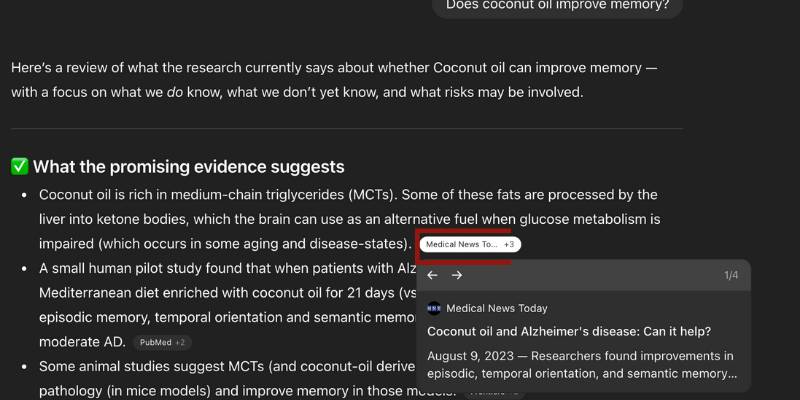
Take this example. Ask Consensus: "Does coconut oil improve memory?"
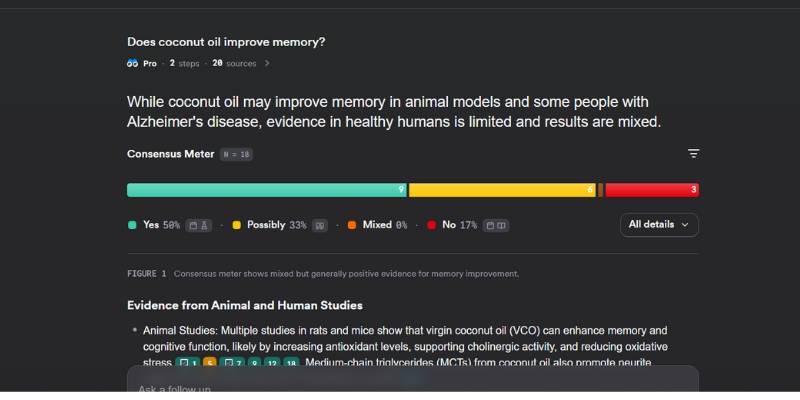
It won't give you a simple yes or no. Instead, you get what research has actually found—the real consensus from multiple studies.
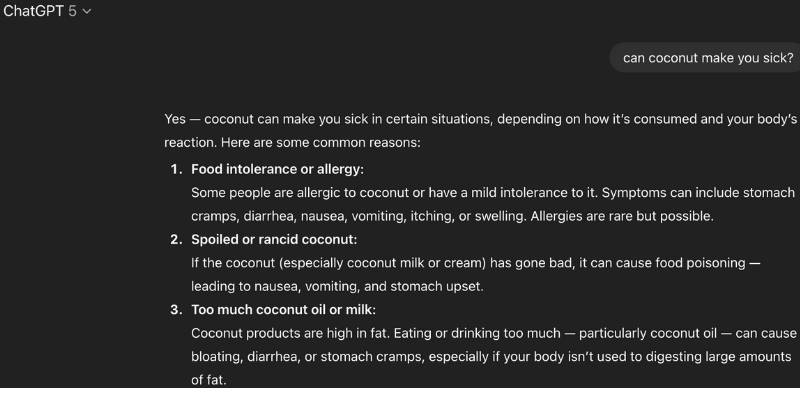
Compare that to ChatGPT. It hands you a summary of the situation, but the sources remain murky. It rarely includes links unless you ask just right. Gemini has the same problem.
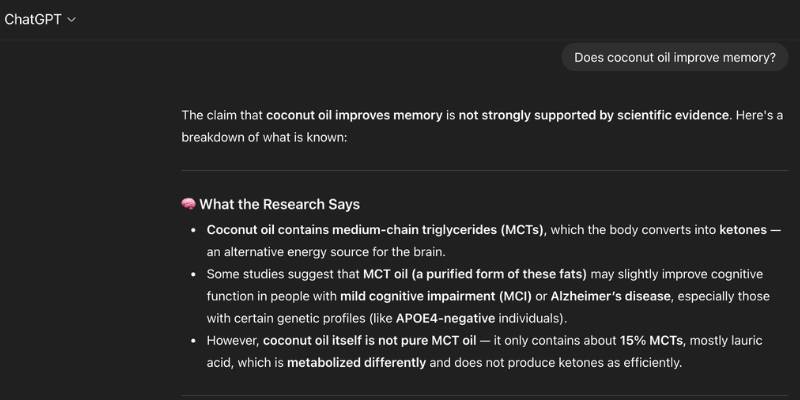
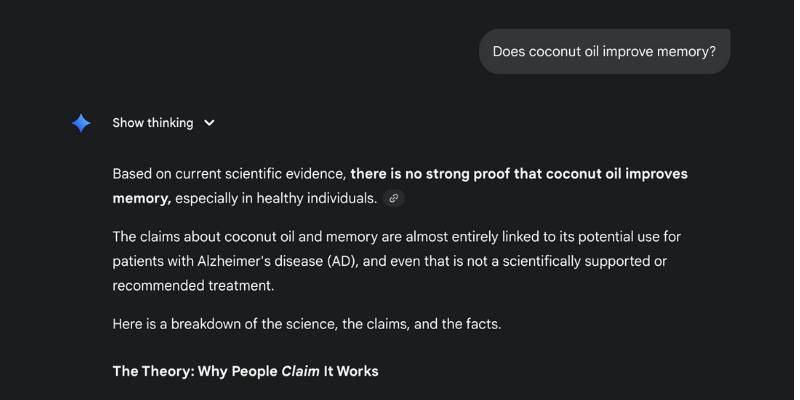
Even with ChatGPT Plus, you don't get consistent research results. Sometimes it includes research links, but it's hit or miss. Ask a similar research question and—surprise—no links waiting for you.
What's interesting here is that Consensus filters out outdated information better than ChatGPT or Gemini typically do. You can narrow your research questions to recent years—incredibly useful when studying fast-moving fields.
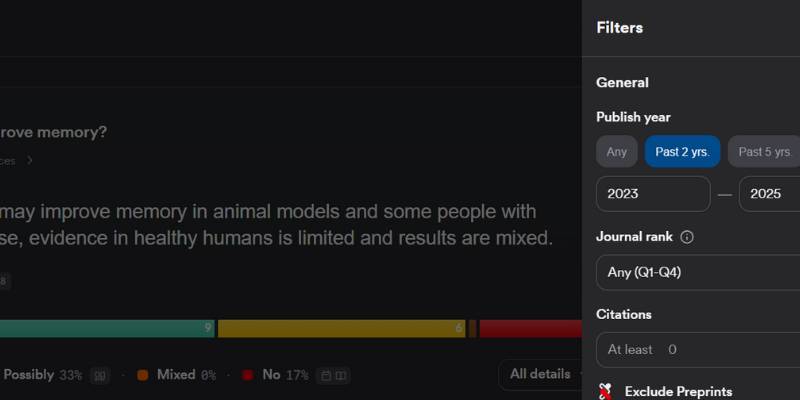
Quick Tip: Use Boolean operators—AND, OR, NOT—to tighten your searches on Consensus. Instead of asking "Does coconut oil improve memory?", try: "coconut oil" AND "memory" AND "clinical trial".
When Should You Use Consensus?
ChatGPT, Gemini, and similar models shine when you're exploring ideas, brainstorming, drafting essays, or discussing open-ended topics that don't hinge on specific data. You can ask them what to eat for breakfast, whether now's the right time to read a certain book, or how to learn a new skill. Those conversations belong in ChatGPT and Gemini.
But if you want to verify claims with peer-reviewed papers and actual scientific evidence? That's where Consensus excels. It's your better choice for academic projects, professional reports, and fact-checking statements.
Here's a smart workflow: start with ChatGPT to outline ideas, then jump to Consensus to verify whether your claims hold up scientifically.
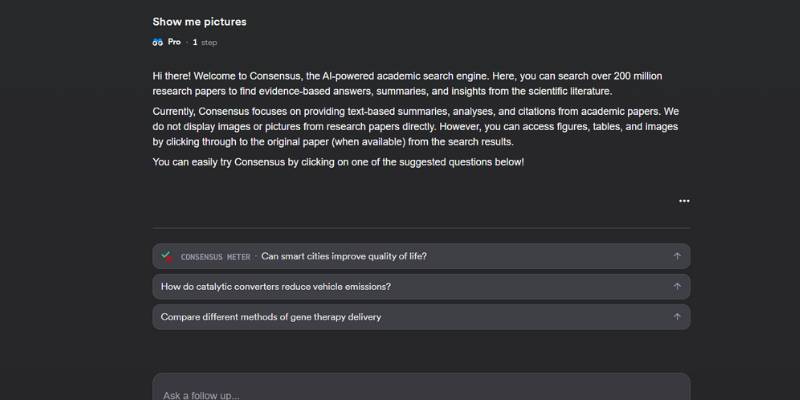
The real concern with Consensus is that it's very specialized. It can't generate images, and when you ask it to do something outside its scope, it just tells you what it can't do rather than attempting it.
Pricing and Subscription Plans
Consensus offers three pricing tiers. For most students or independent researchers who don't need hundreds of deep research reviews monthly, the free plan delivers solid value.
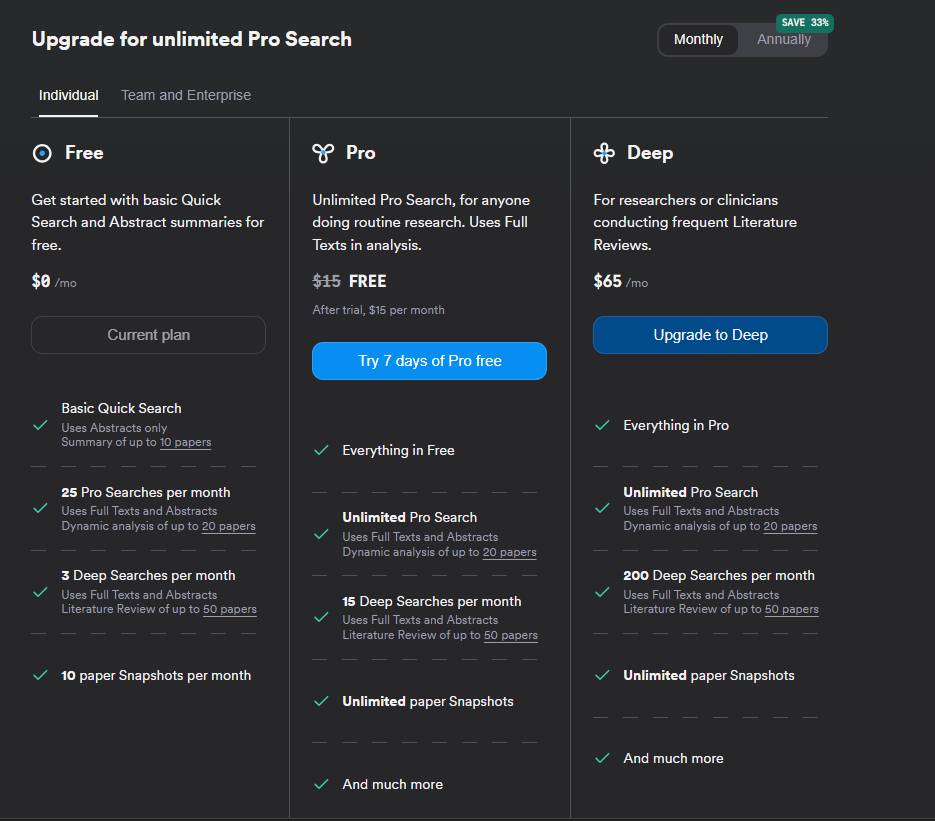
If you're doing regular research—writing multiple papers, working on a thesis, or compiling extensive references—the Pro plan strikes the best balance between cost and capability.
Few people need the Deep or Team plans. Those target professionals: lab researchers, clinical doctors, systems reviewers, and commercial researchers. If you're in that camp, the higher limits justify the expense.
Students working on urgent papers with tight budgets should test the Pro plan's 7-day free trial. Just remember: cancel before those 7 days end, or you'll get charged unexpectedly.
Consensus is a solid research AI, but traditional academic search tools can also help you find peer-reviewed, evidence-backed sources. If you're exploring new AI models for free and want to understand tools like Consensus, you'll find plenty of resources to get started.
Description: Discover why Consensus AI outperforms ChatGPT and Gemini for academic research, fact-checking, and evidence-based work.
Related Articles
- Google Now Lets You Share Gemini Gems — What Does This Mean for AI Teamwork?
- How to Send WhatsApp Messages Directly from Google Gemini
- Enhance Your Google Slides Presentations with Gemini's AI Writing Tools
- 8 Practical AI Agent Use Cases That Actually Work in Your Business
- ChatGPT vs Meta AI: Which AI Chatbot Actually Wins?

No Comment to " Skip ChatGPT and Gemini: Why Consensus AI is the Better Choice for Research "