Can Qwen 3.8 Really Compete with Claude Opus? We Tested It on a Gaming GPU
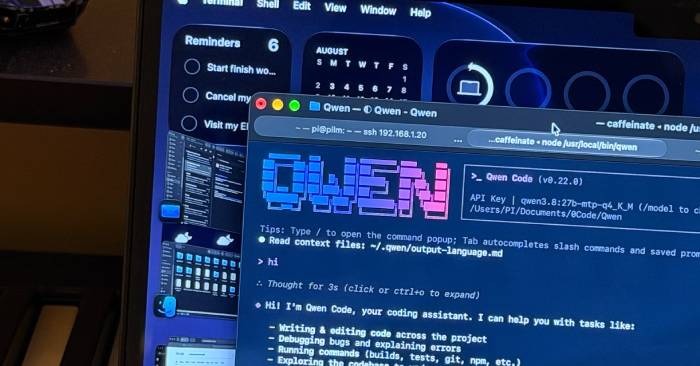
The latest open-weight large language models are genuinely mind-blowing. We're witnessing the rise of what experts now call "Mythos-tier" models—massive, extraordinarily capable systems that are becoming nearly indistinguishable from cutting-edge cloud-based alternatives in practical use.
Moonshot AI released their latest Kimi models with impressive benchmark results (so impressive Anthropic panicked and offered free credits), followed by DeepSeek's V4 Pro and Alibaba's Qwen 3.8. But here's what's actually exciting: Qwen 3.8 comes in an official 27-billion parameter version—small enough to run comfortably on consumer GPUs like an RTX 3090.
Local LLMs stopped being "neat party tricks" a while ago. They're now reliable enough for real work. Most people use local systems for high-volume, repetitive tasks that demand strict JSON formatting. But Qwen 3.8 27B? It genuinely changes the game.
Qwen 3.8 vs. Claude and GPT: How Close Are We?
What happens when you compare models with vastly different parameter counts?
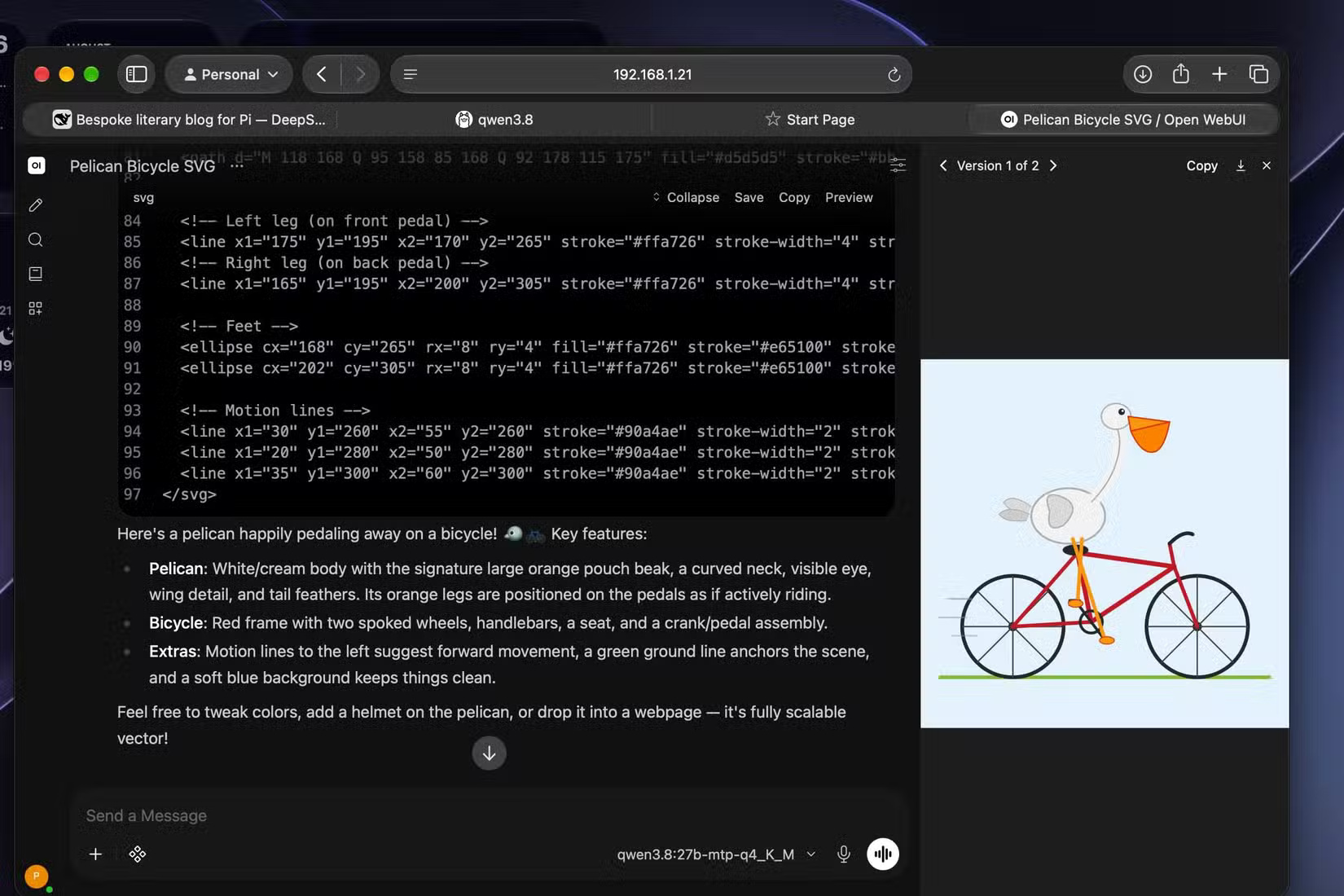
The first thing to do with any new model these days? Run the "duck test." We threw the same simple prompt at Qwen 3.8, and the result above speaks for itself. Really impressive, right? Most people mentally prepared themselves to excuse its shortcomings—smaller model, makes sense, etc. But there were no shortcomings to excuse. What's happening here?
When we stacked Qwen 3.8 against other models (see the comparison slider below), it actually outperformed Claude Opus 5 on this particular test. Now, that's probably because Alibaba optimized Qwen 3.8 specifically for rendering SVG ducks. Still, the results are undeniably strong.
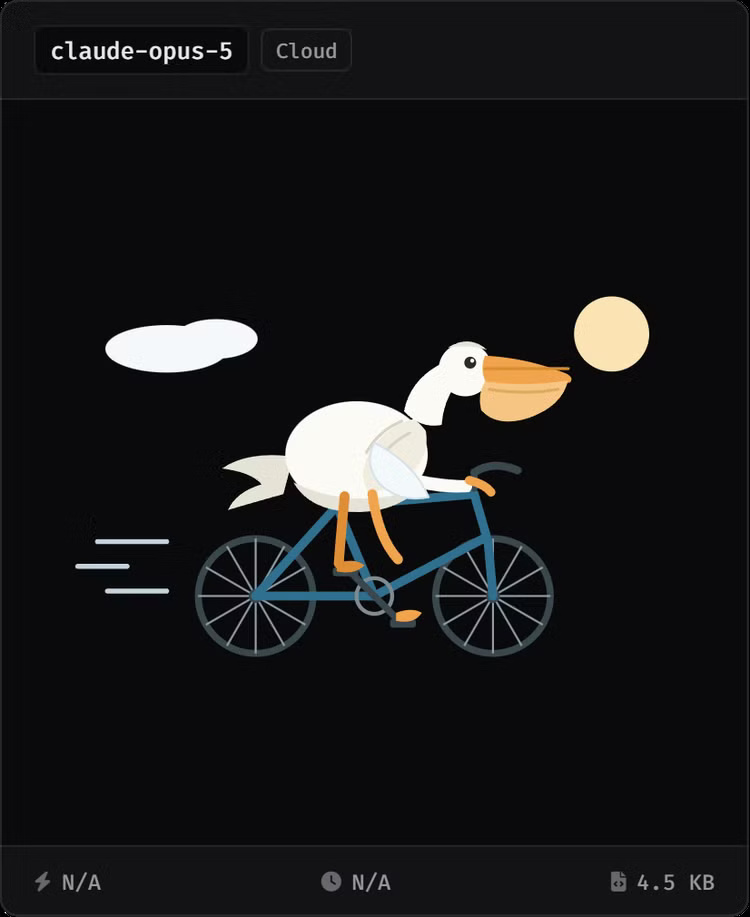
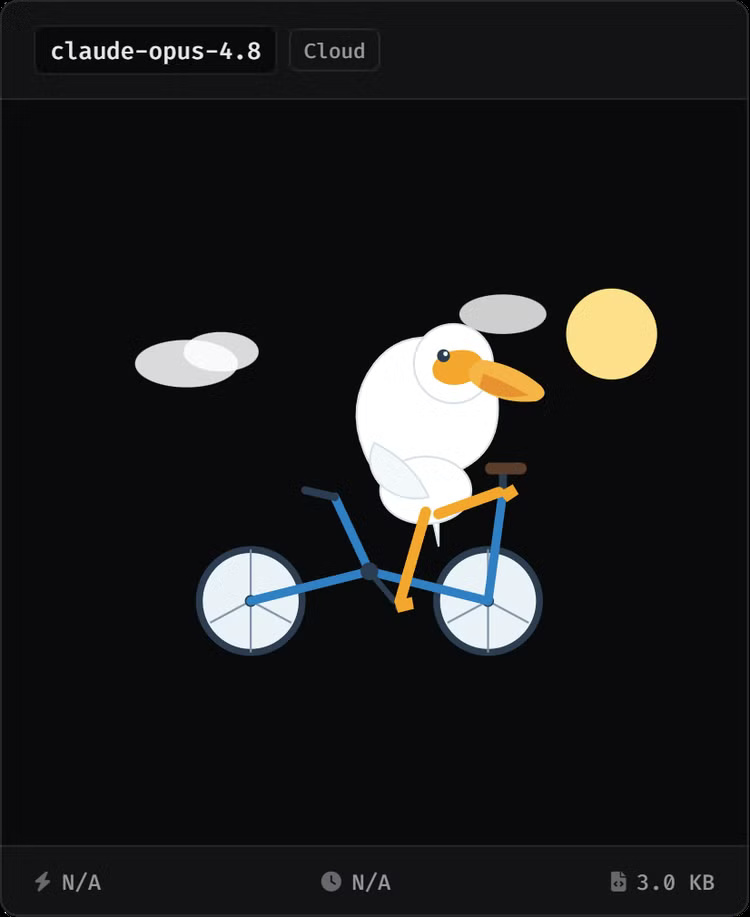
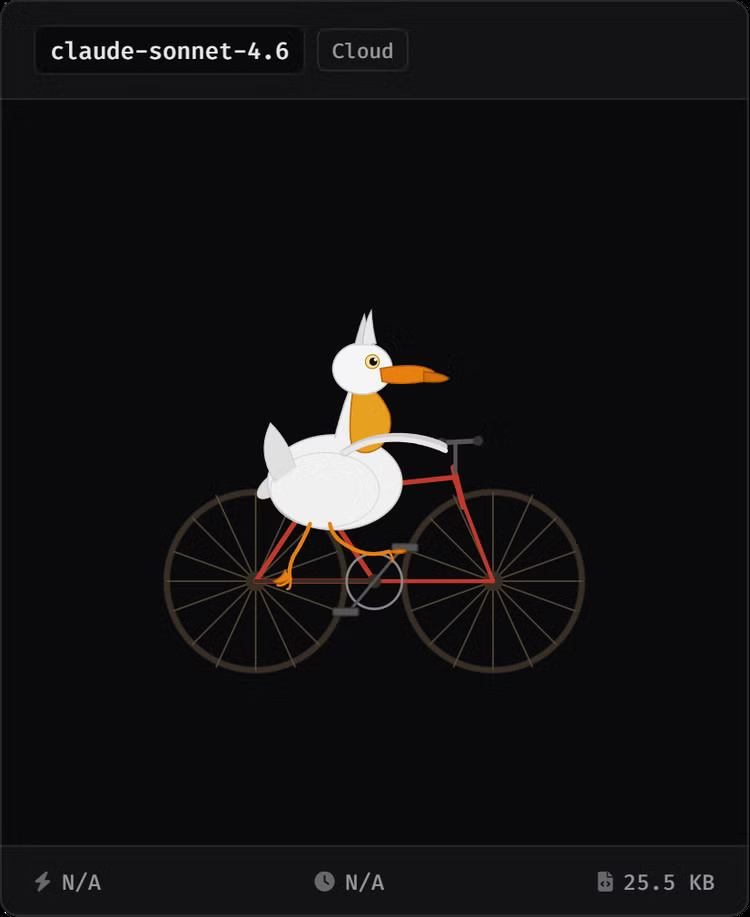
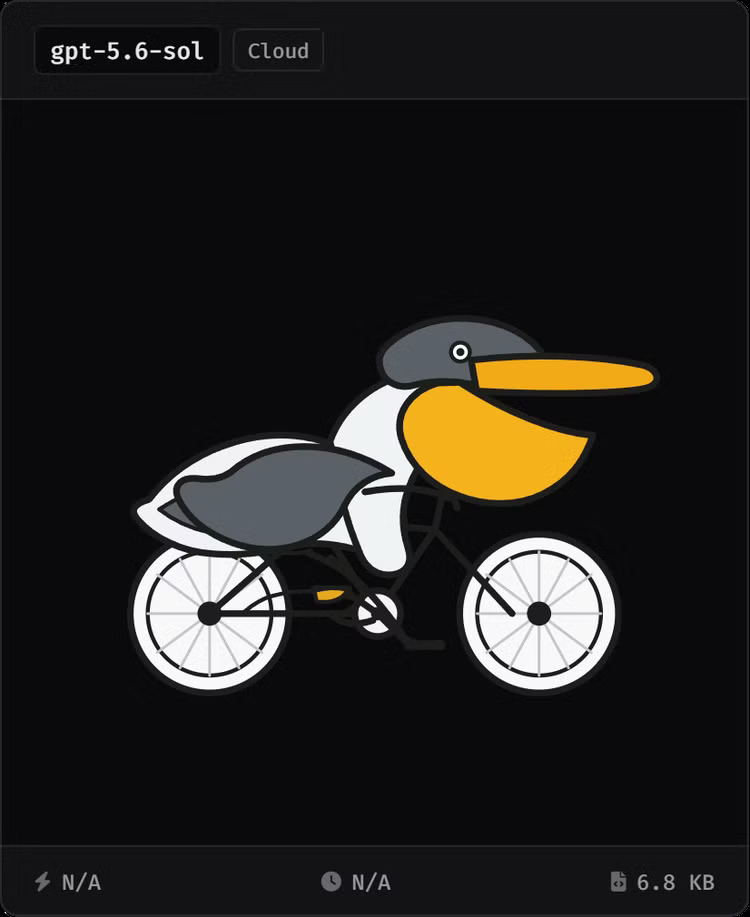
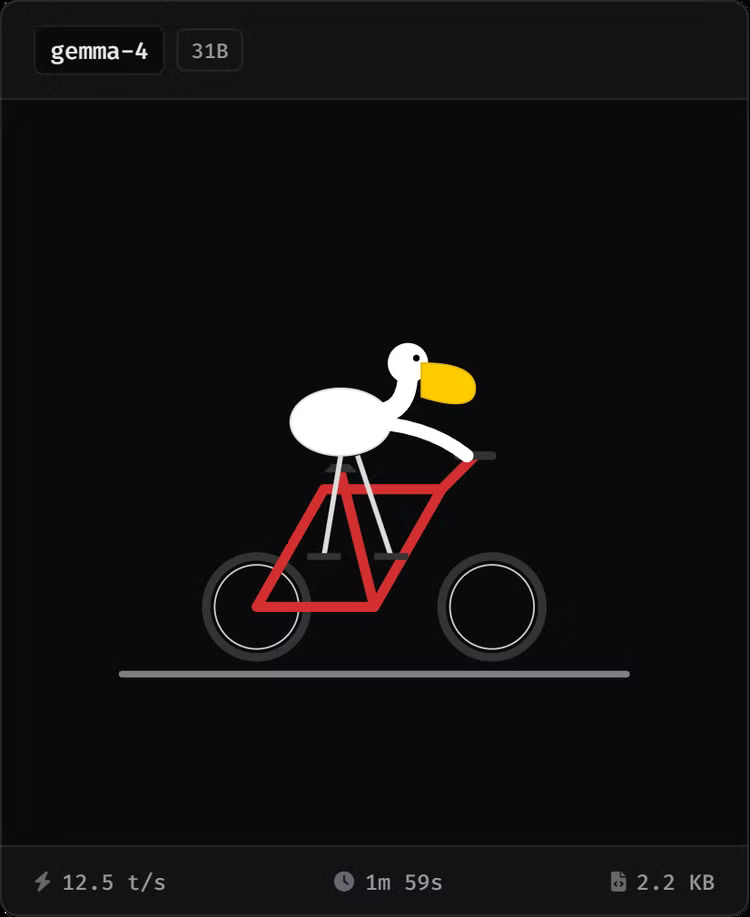
Qwen 3.8 27B is a dense model, meaning all 27 billion parameters are actively engaged. Despite this—and despite rendering that flawless duck—it still runs remarkably fast. Even on a modest RTX 3090, it hits 75 tokens per second. That's genuinely impressive.
Designing a Full Blog Page from Scratch
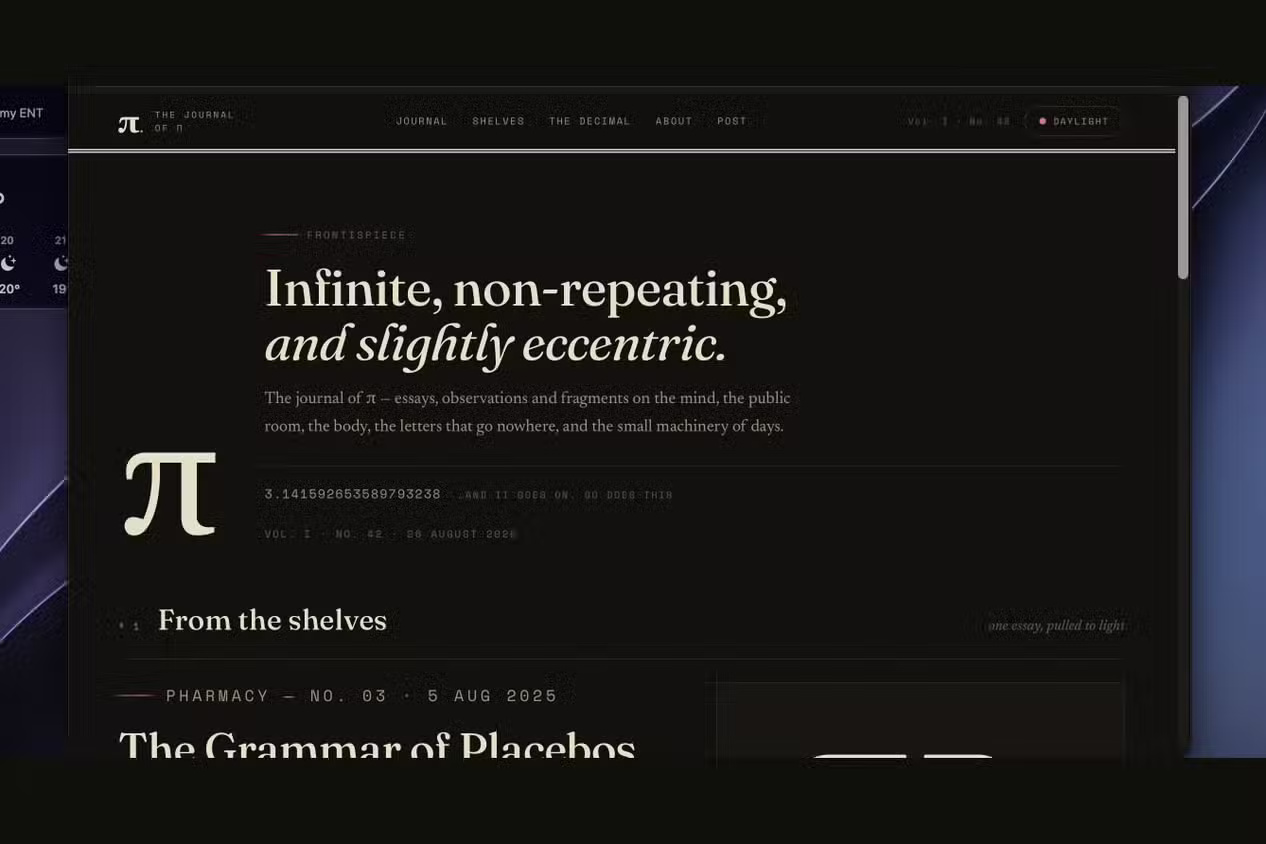
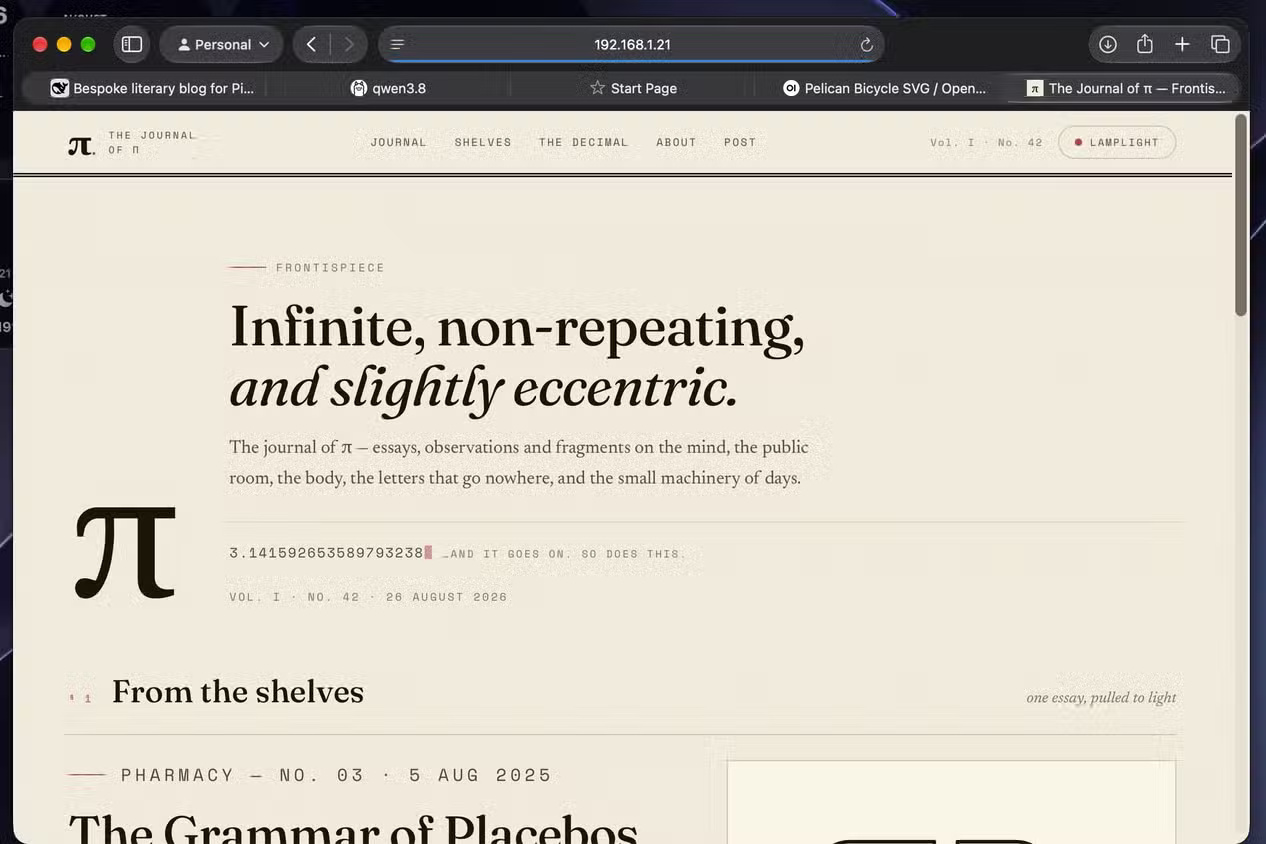
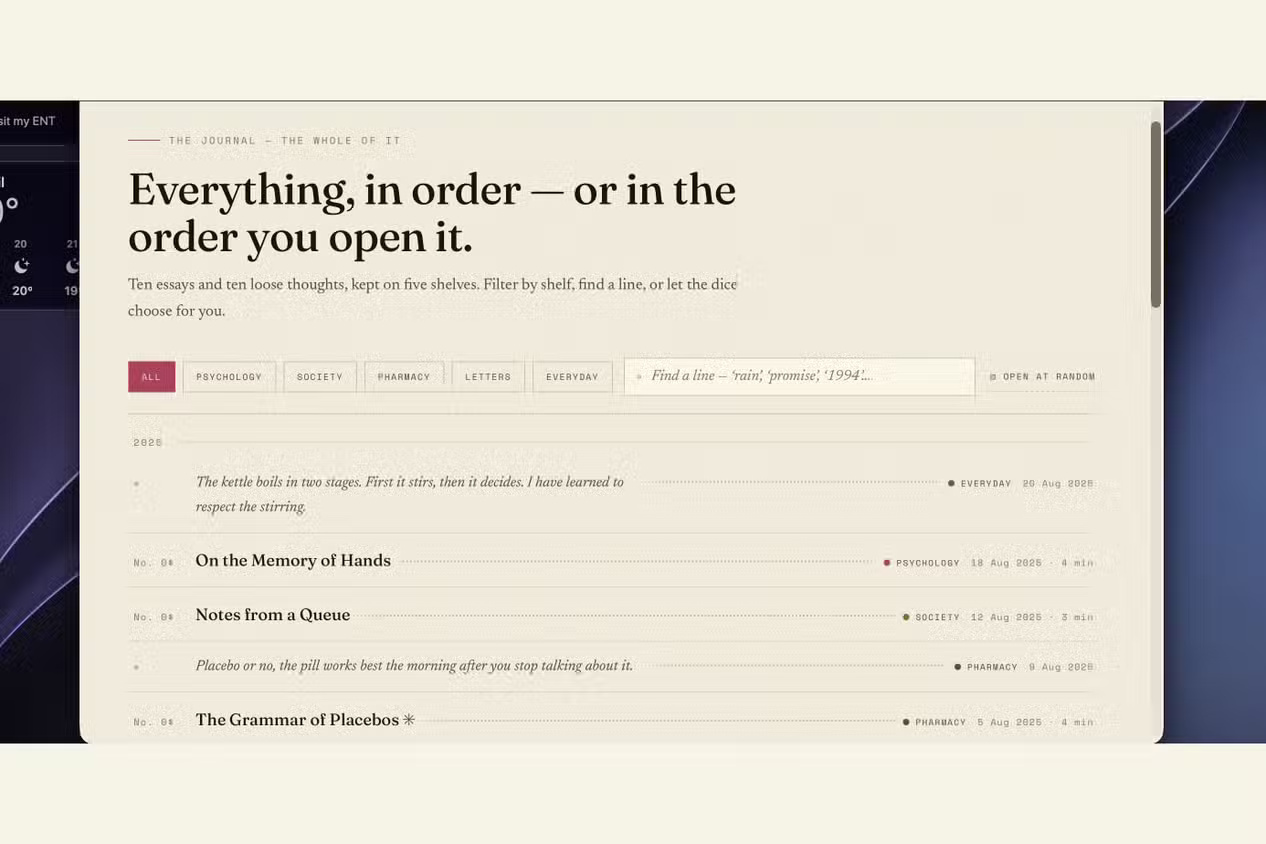
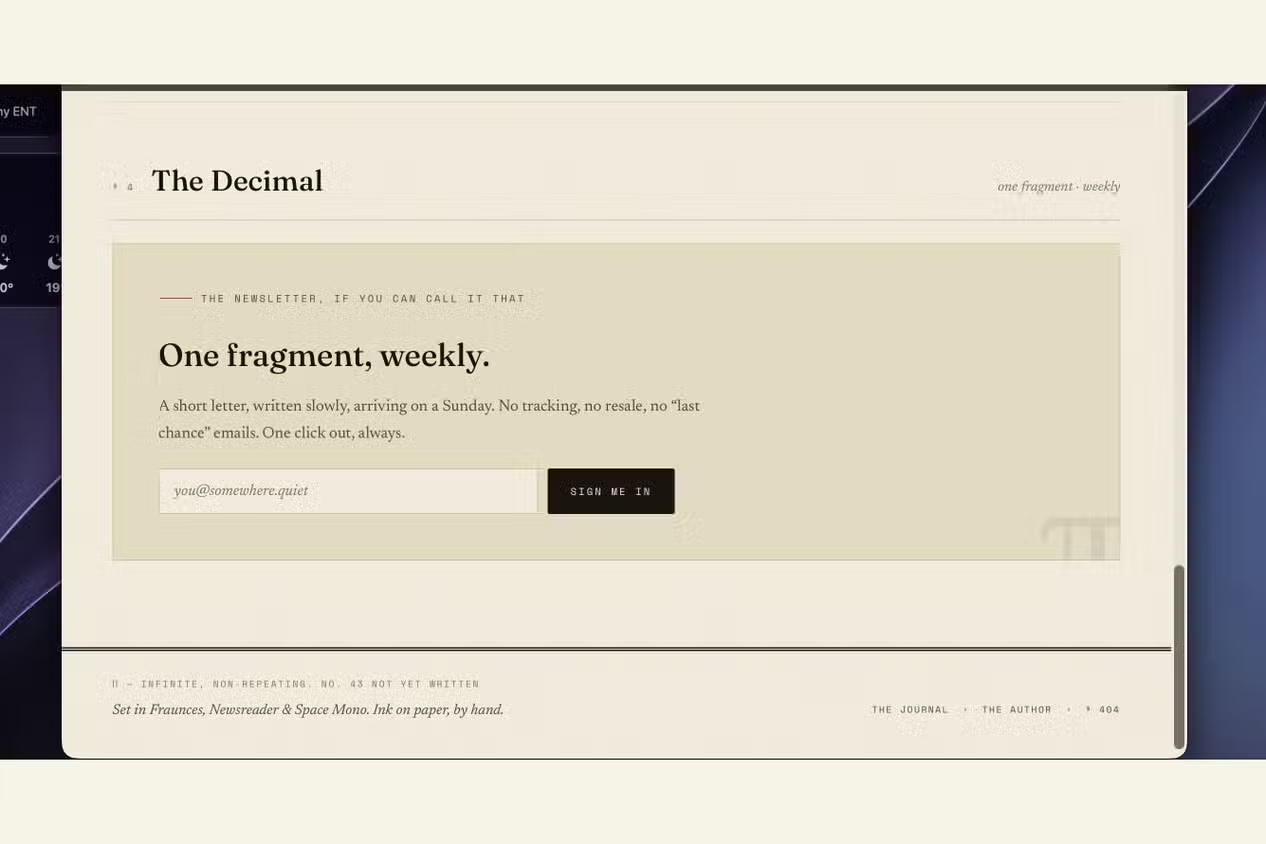
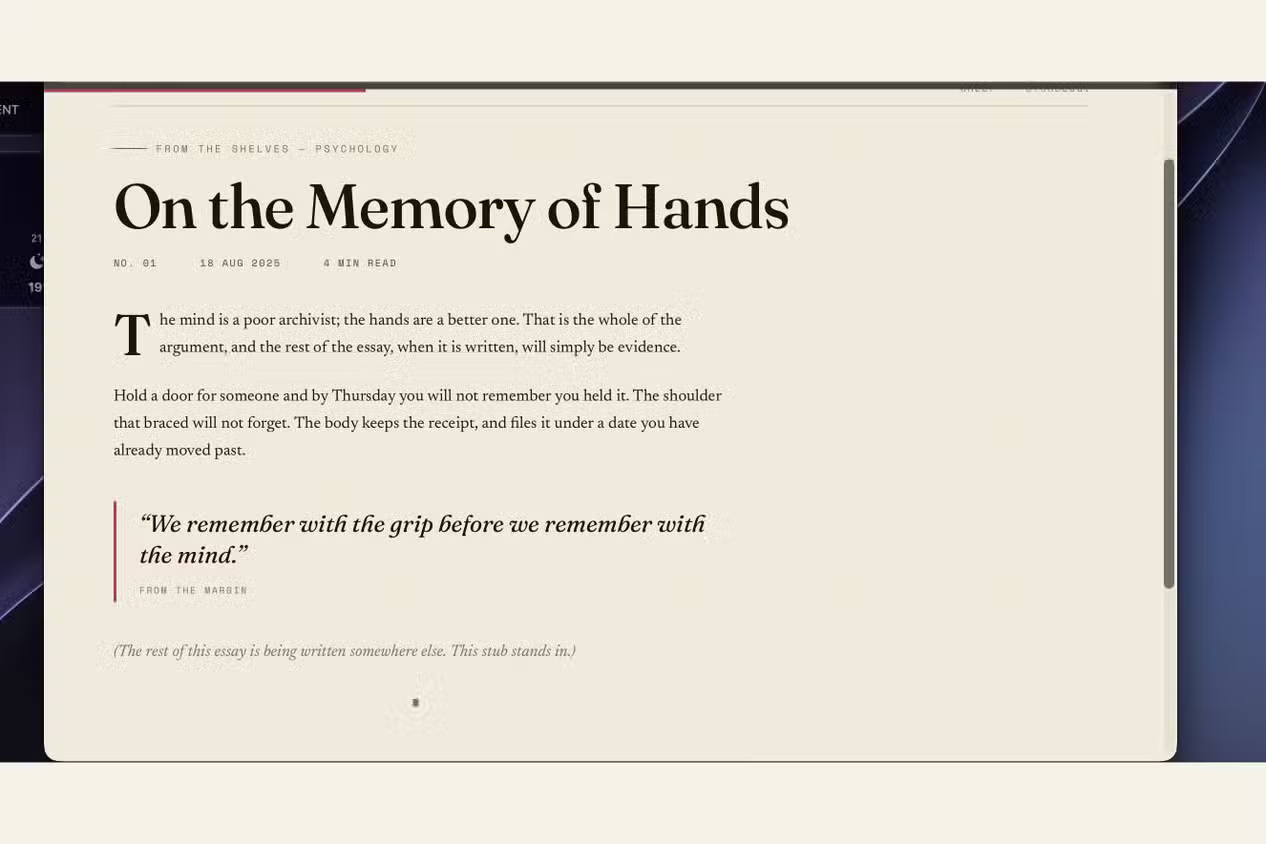
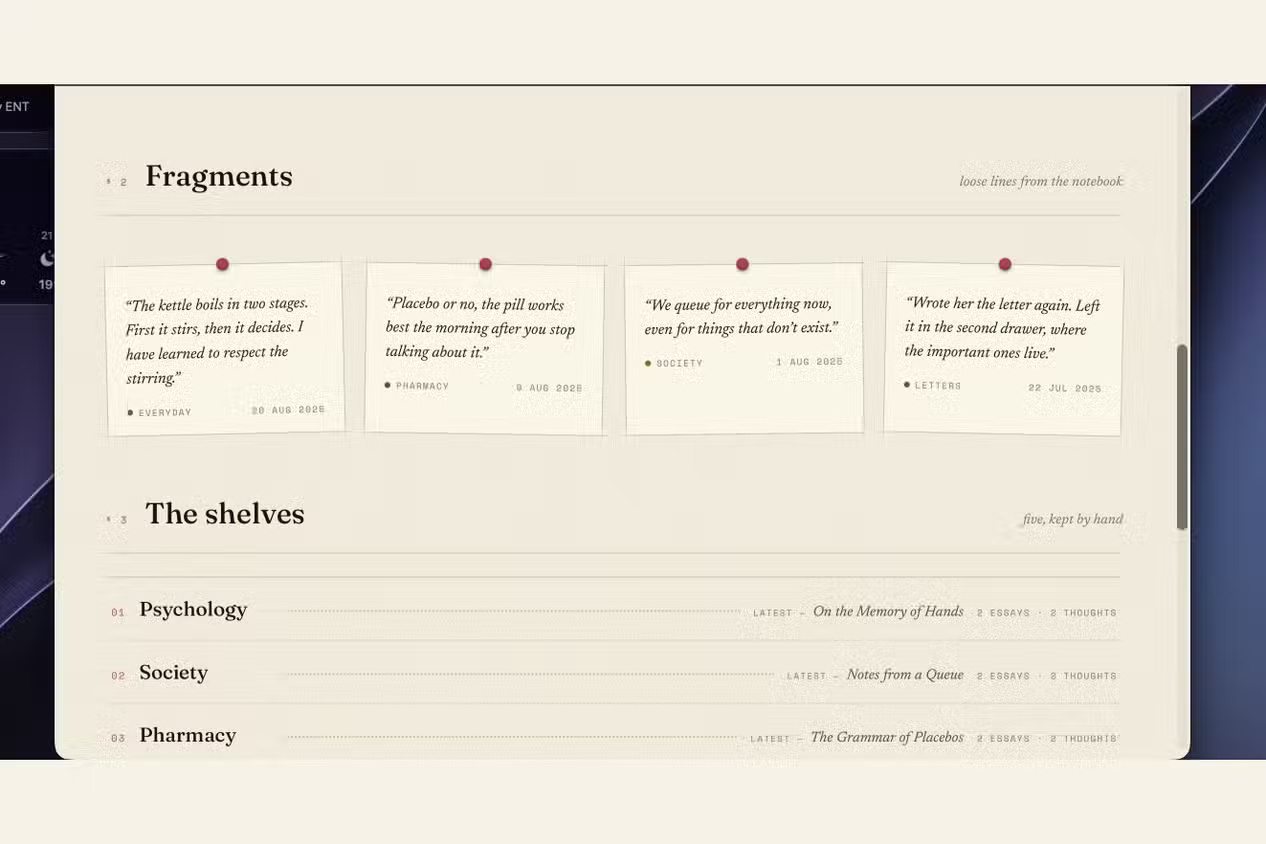
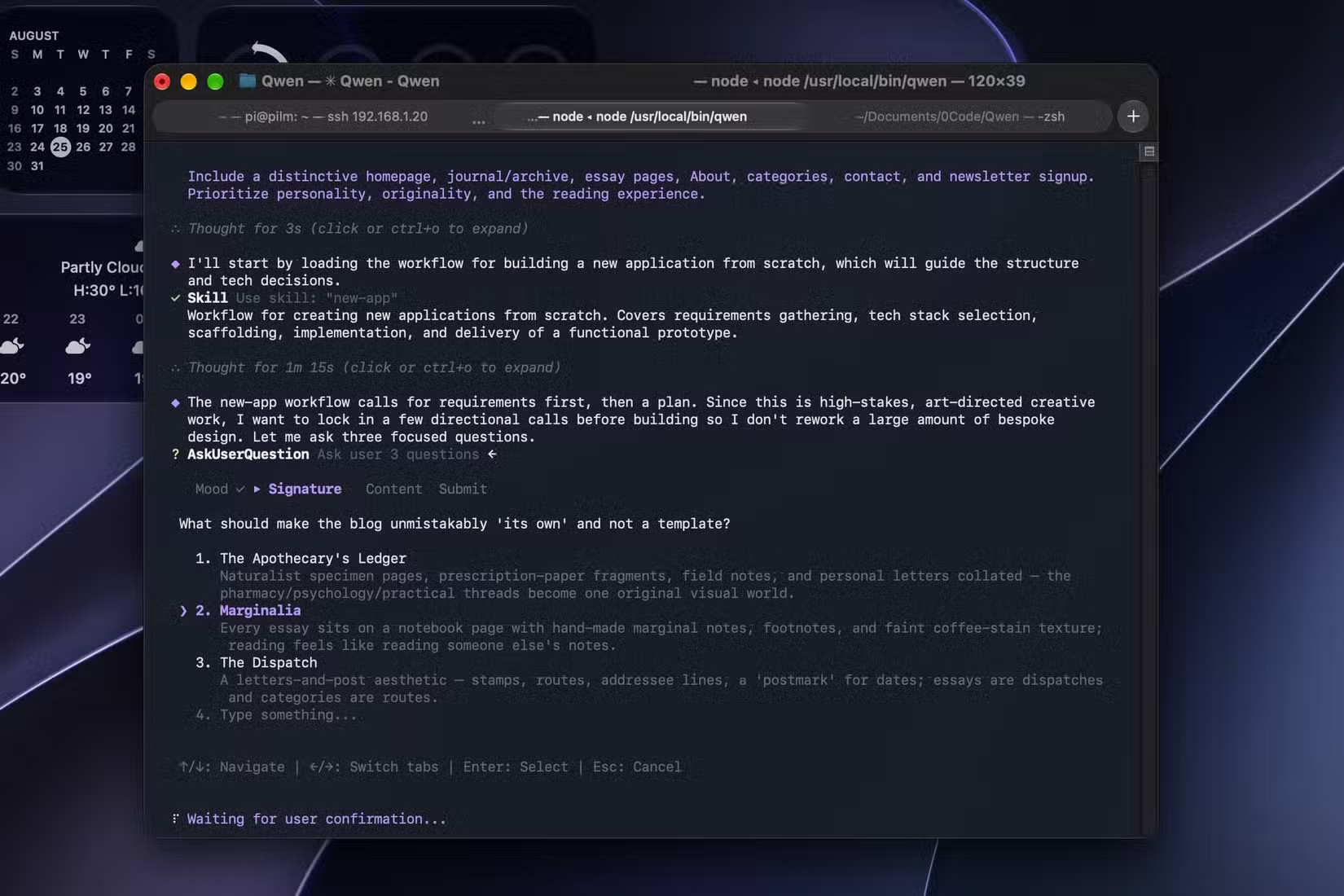
Next, we threw a more tedious test at it: build an entire blog page. The results were outstanding. The design is genuinely beautiful. The model has good aesthetic taste and executed everything thoughtfully—multiple page variations, sensible sample content, everything both polished and functional.
It clearly borrowed some design inspiration from Anthropic's style, but honestly? It looks fantastic. Remember: this is a 27-billion parameter model running entirely on local hardware.
Qwen Nearly Aced the Hardest Programming Test
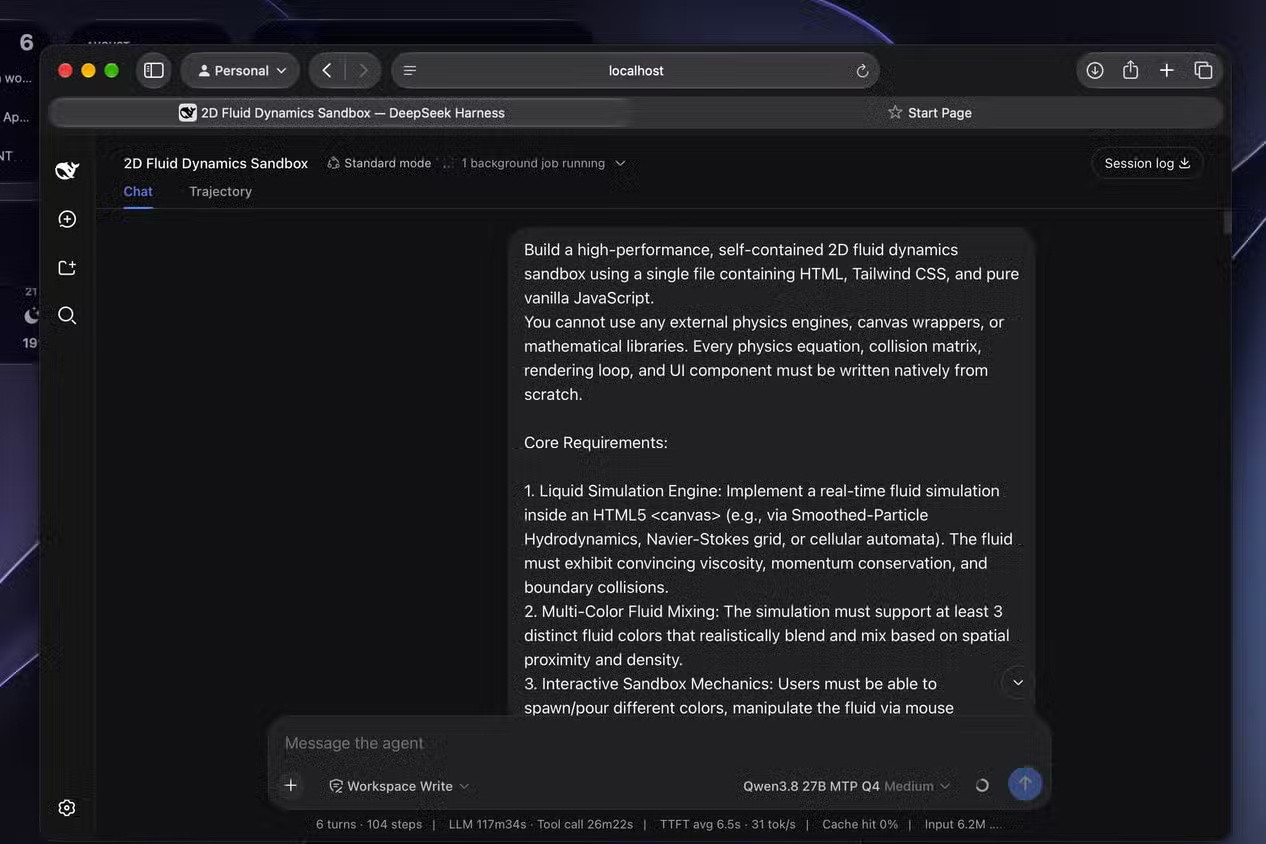
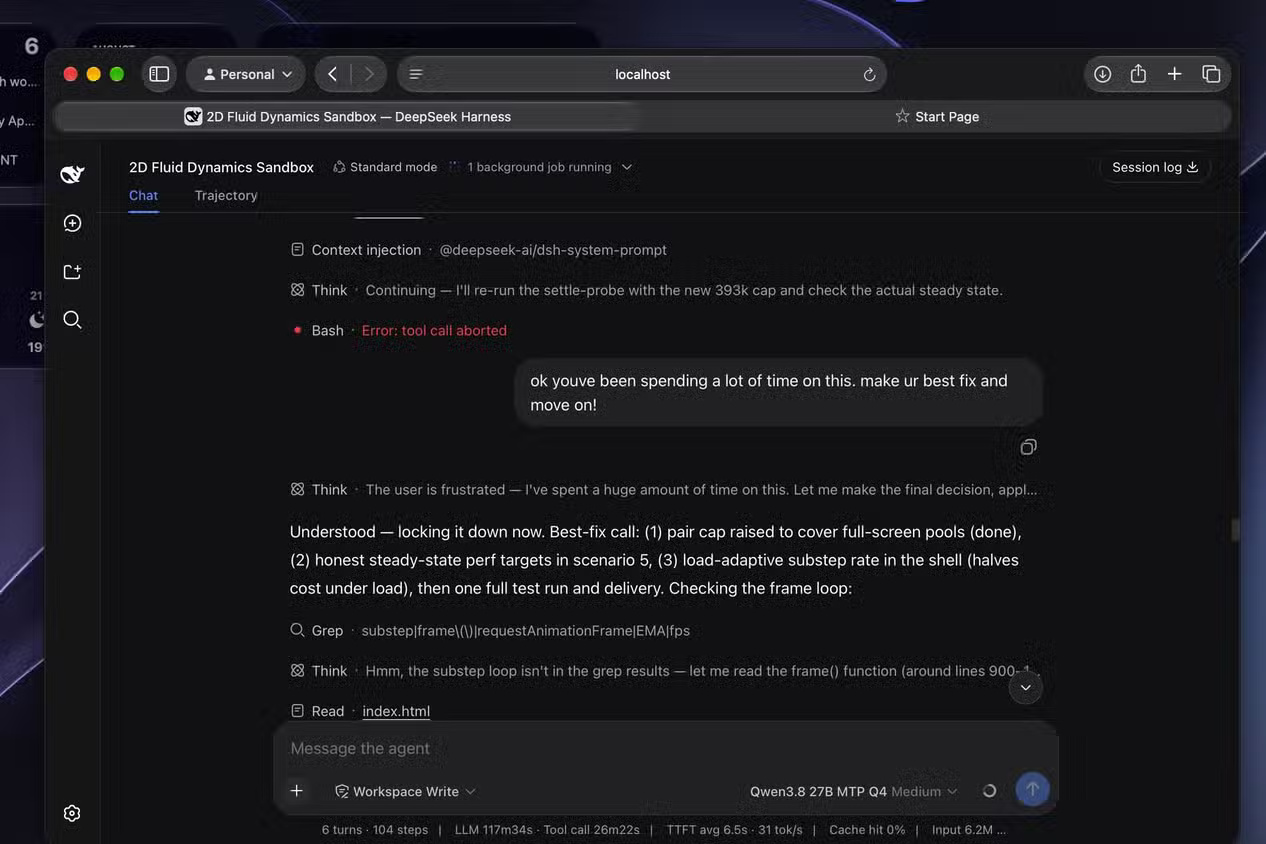
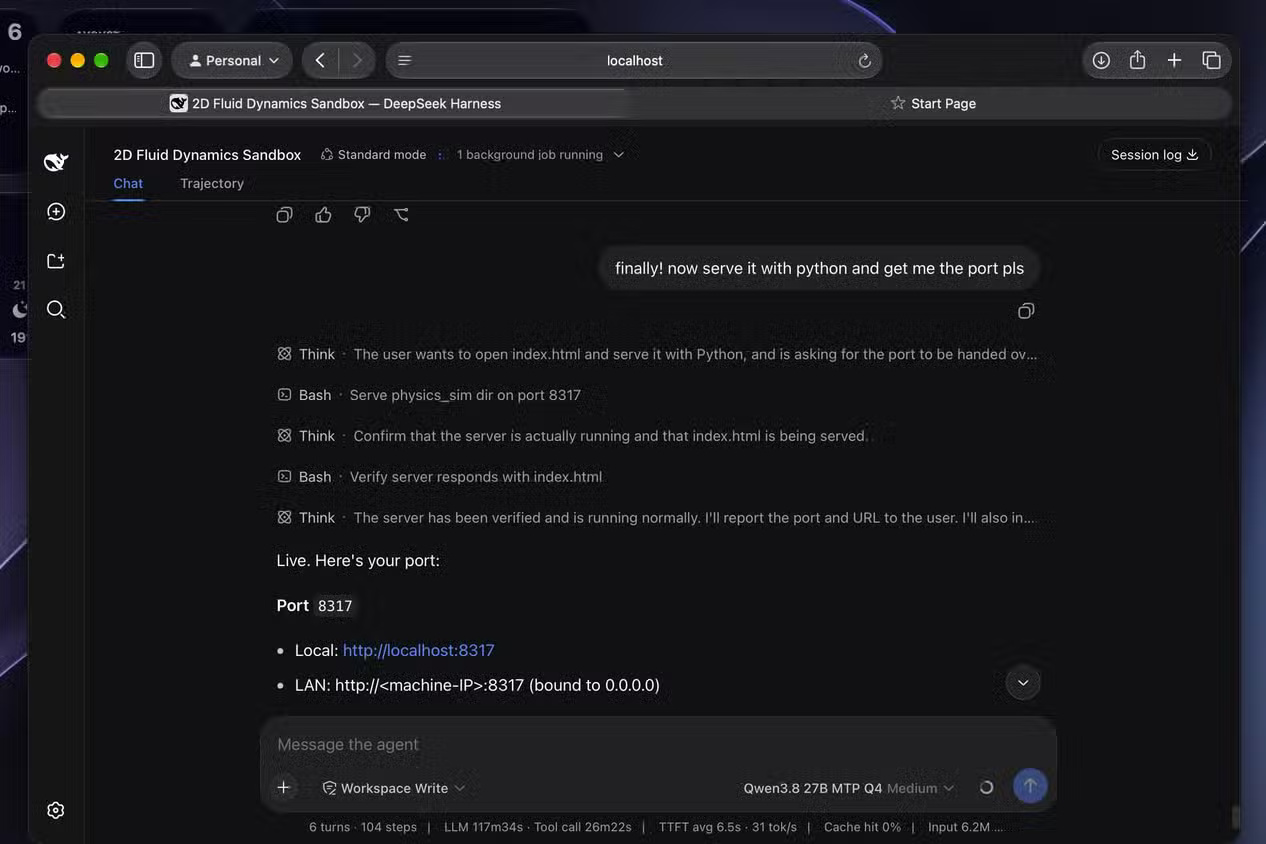
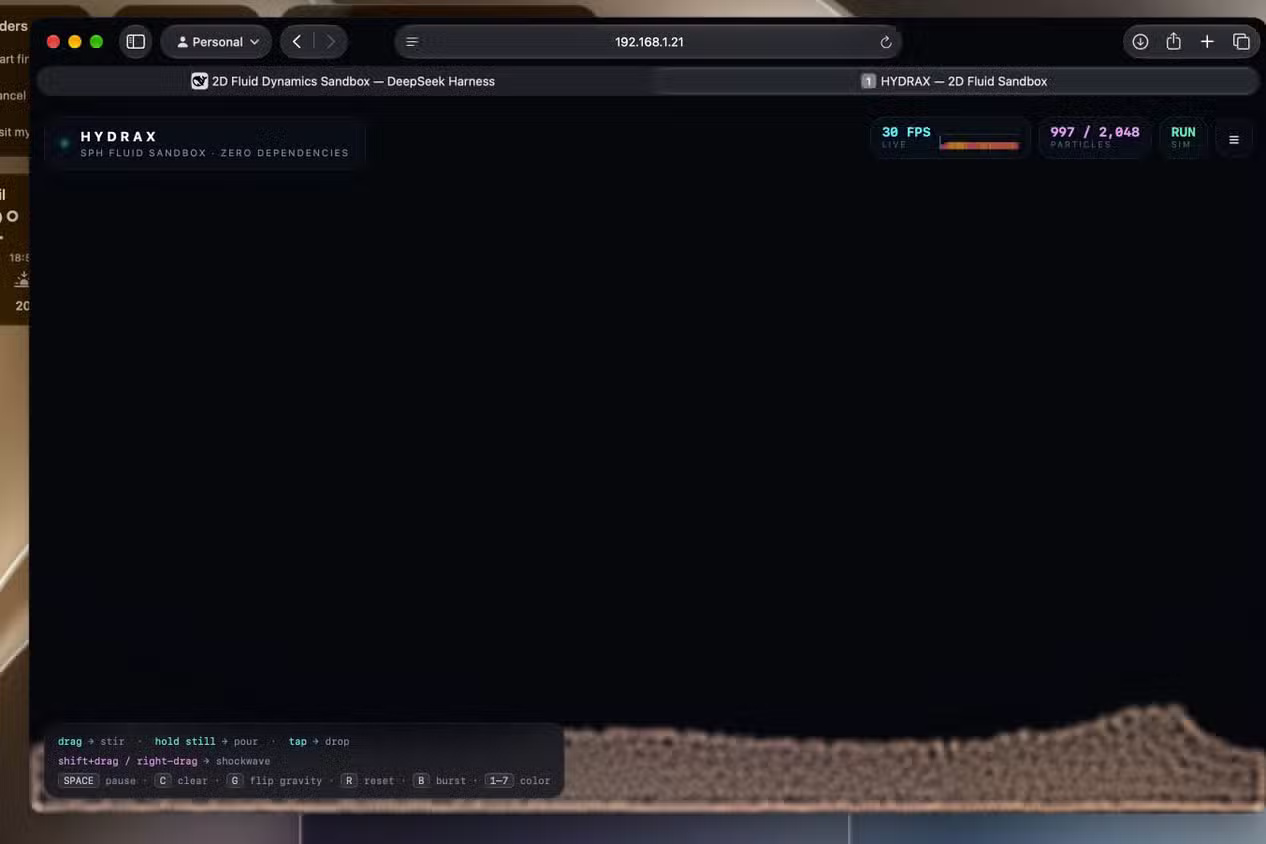
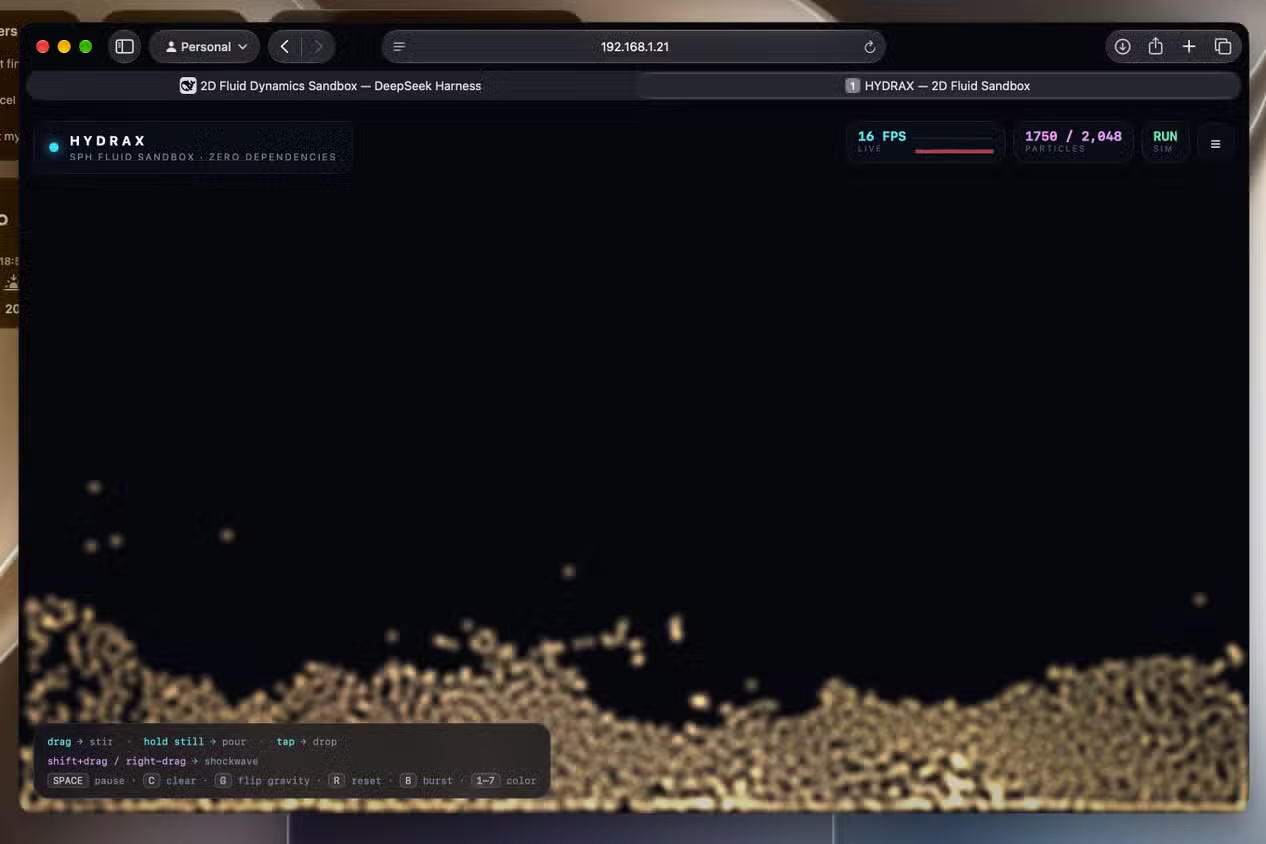
The challenge: build a complete fluid physics simulator from scratch. Not wrapper-UI-around-existing-library stuff—actual simulation code from zero. This required an agentic harness (we used DeepSeek Harness), and here's where things get interesting: Qwen 3.8 didn't just handle it. It nailed it.
The model spent roughly three hours iterating before we stepped in and told it to settle on the best solution rather than keep optimizing. That intervention yielded what you see above.
The real weakness? Performance. Beyond 1,000 particles, the simulator started dropping frames. Beyond 3,000 particles, it became unusable. Still, that's impressive—most competing agents hard-cap at 2,000 particles. A local model, using local tools, running entirely on personal hardware, achieving results that some flagship models can't manage. What's interesting here is the implications.
Here we have a model running on your own machine delivering results where more advanced cloud-based competitors fail.
A Local Model That's Modest by Comparison
To be fair, this isn't exactly an apples-to-apples comparison. For that, you'd want the full-size Qwen 3.8. Plus, we're running this on personal hardware.
The 27B is the smallest in the Qwen 3.8 lineup. The full version—Qwen 3.8-2.4T-A95B—has 2.4 trillion parameters.
A simplified VRAM calculation: (number of parameters × bits per weight / 8) + KV cache + auxiliary features or sub-models (like image processing).
We used Q4_K_M quantization. The model alone consumed 17.8GB; add a 100,000-token context with standard Q8 KV cache, and total VRAM usage hit 22GB of our available 24GB.
For perspective: running the full 2.4-trillion-parameter Qwen 3.8—even with the same Q4_K_M compression—would require roughly 1.5 terabytes of VRAM just for the model itself.
This context matters. ChatGPT and Claude operate at that scale—thousands of trillions of parameters. So we're looking at 24GB of VRAM going up against terabytes, and the results aren't even close to disappointing.
So What's Left as a Real Advantage for Big AI Companies?
Right now, the primary edge large cloud models have over local systems is context window size. You're stuck at 100,000 tokens on local hardware without overloading your GPU, while current flagship models offer context windows up to 2 million tokens or beyond.
Context gets consumed fast—especially with a model like Qwen 3.8 that tends to reason extensively and verbosely. Workarounds exist. You can run a smaller model in parallel to compress context, keeping only critical information. You can manually prune old tool calls to free memory. But these solutions aren't perfect.
Another major advantage of large-scale cloud models is their ecosystem of supporting tools. Claude has Claude Code and Cowork; ChatGPT has Codex and Work. Except... that advantage is eroding. Open-source support systems like Qwen Code and DeepSeek Harness are filling that gap.
Here's the irony: OpenAI, Anthropic, Meta, and Google constantly preach that AI shouldn't be monopolized, that everyone needs access to quality models. Alibaba has never made such hollow promises. Yet the reality shows the opposite.
Qwen 3.8 is the high-quality local model we've been waiting for. And it's only getting better.
Description: Alibaba's Qwen 3.8 27B model tested against Claude and GPT. Results are impressive for local deployment on consumer hardware.
Related Articles
- Teaching AI to Remember Your Writing Style: A Self-Learning System
- Meta's New AI Can Generate Deepfakes From Your Instagram Photos—Here's How to Protect Yourself
- GPT-6 Astra: Features, Performance Benchmarks, Pricing & How to Access
- How to Download and Export Your ChatGPT Conversations
- Getting Started with Google Flow Music: Complete Guide to Creating Music and Playlists

No Comment to " Can Qwen 3.8 Really Compete with Claude Opus? We Tested It on a Gaming GPU "