10 Real Business Problems AI Can Actually Solve Right Now

Artificial intelligence and machine learning have quietly moved from buzzword territory into everyday business operations. And it's not just hype—64% of business leaders genuinely believe AI will improve customer relationships.
What's interesting here is that customer service isn't even the full story. AI is solving concrete problems across at least 10 different departments simultaneously. These aren't theoretical applications; they're delivering measurable improvements right now.
Let's walk through where AI is making the biggest practical impact and how your business can leverage it.
1. Marketing
Marketing departments are using AI to streamline workflows and accelerate decision-making. The technology works in three primary ways: intelligent analytics, natural language processing for sentiment analysis, and generative content creation.
By tapping into these capabilities, companies extract valuable customer insights while automating time-consuming tasks that once ate up entire campaigns.
AI-Powered Analytics Drives Smarter Campaign Decisions
Before AI, marketers manually sifted through massive datasets to measure campaign performance, spot trends, and understand customer behavior. AI analytics tools changed this completely. They now enable marketers to build precisely targeted campaigns and personalized recommendations based on actionable insights.
Nike's "By You" initiative shows this in action—the platform uses AI to let customers customize shoes in real-time, dramatically improving engagement.
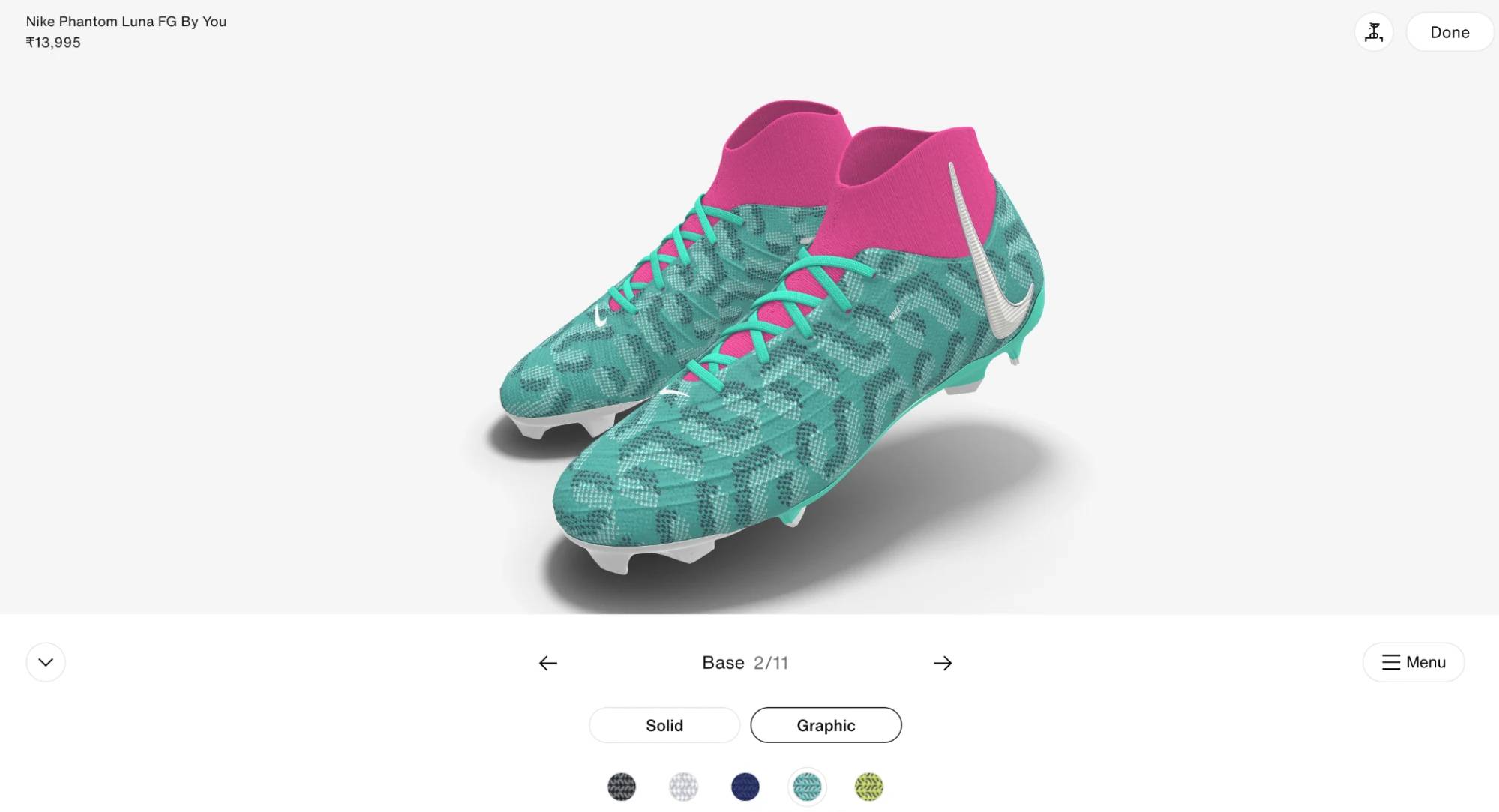
By efficiently analyzing customer data patterns, AI spots behavioral trends and crafts individualized messaging. If a customer consistently browses a specific product category, AI flags it and serves up relevant discount codes automatically.
Natural Language Processing Unlocks Sentiment Analysis
NLP tools analyze customer sentiment to help brands understand feedback and refine their positioning. These systems review your content and suggest improvements to boost engagement rates. Real concern: many brands ignore what NLP reveals.
The technology also monitors social channels to capture customer emotions in real-time, giving you instant visibility into how your target market actually responds to your products.
Generative AI Creates and Manages Content at Scale
Generative AI—a machine learning branch that creates entirely new content like images, audio, and text—powers tools like ChatGPT. The smarter move? Invest in AI software trained on your own data, or fine-tune existing models with proprietary business information. Marketers now use generative AI to draft blog posts, social updates, website copy, and countless other content formats.

2. Sales
Sales teams typically wade through enormous datasets to identify prospects and close deals. AI automates repetitive work and surfaces the highest-quality leads through various machine learning models.
Lead Generation and Scoring
Automated lead scoring combined with personalized customer experiences help sales teams build stronger relationships. AI enriches customer data and provides a complete view of each prospect after analyzing interactions and scoring them against predetermined criteria.
Predictive Revenue Forecasting
Human error is inevitable, especially in manual forecasting. AI-powered predictions improve accuracy by analyzing data to identify trends in key metrics—churn rates, new bookings, and renewal rates—across specific timeframes.
AI Sales Assistants Automate Routine Tasks
AI handles tedious work, freeing your sales team to focus on genuine human interactions. You can automate follow-ups, customer segmentation, and deploy chatbots to streamline everyday activities.
3. Human Resources
Many HR functions demand direct human involvement, but automation can optimize processes like recruiting and onboarding. Here's the kicker: highly engaged employees deliver 21% higher profitability. That's why data-driven HR decisions matter.
AI-Assisted Recruitment
Hiring new staff historically consumes significant HR bandwidth. Hand off these tasks to AI:
- Resume screening
- Candidate evaluation
- Personalized outreach messages
This makes full-time and freelancer hiring dramatically more efficient.
AI Chatbots Streamline Employee Onboarding
Chatbots aren't just for customer service. Building an AI chatbot to optimize new hire onboarding makes employees more comfortable—they have a virtual assistant available whenever questions arise. The bot also reminds new staff about documentation deadlines and provides prepared resources.
Sentiment Analysis Measures Employee Satisfaction
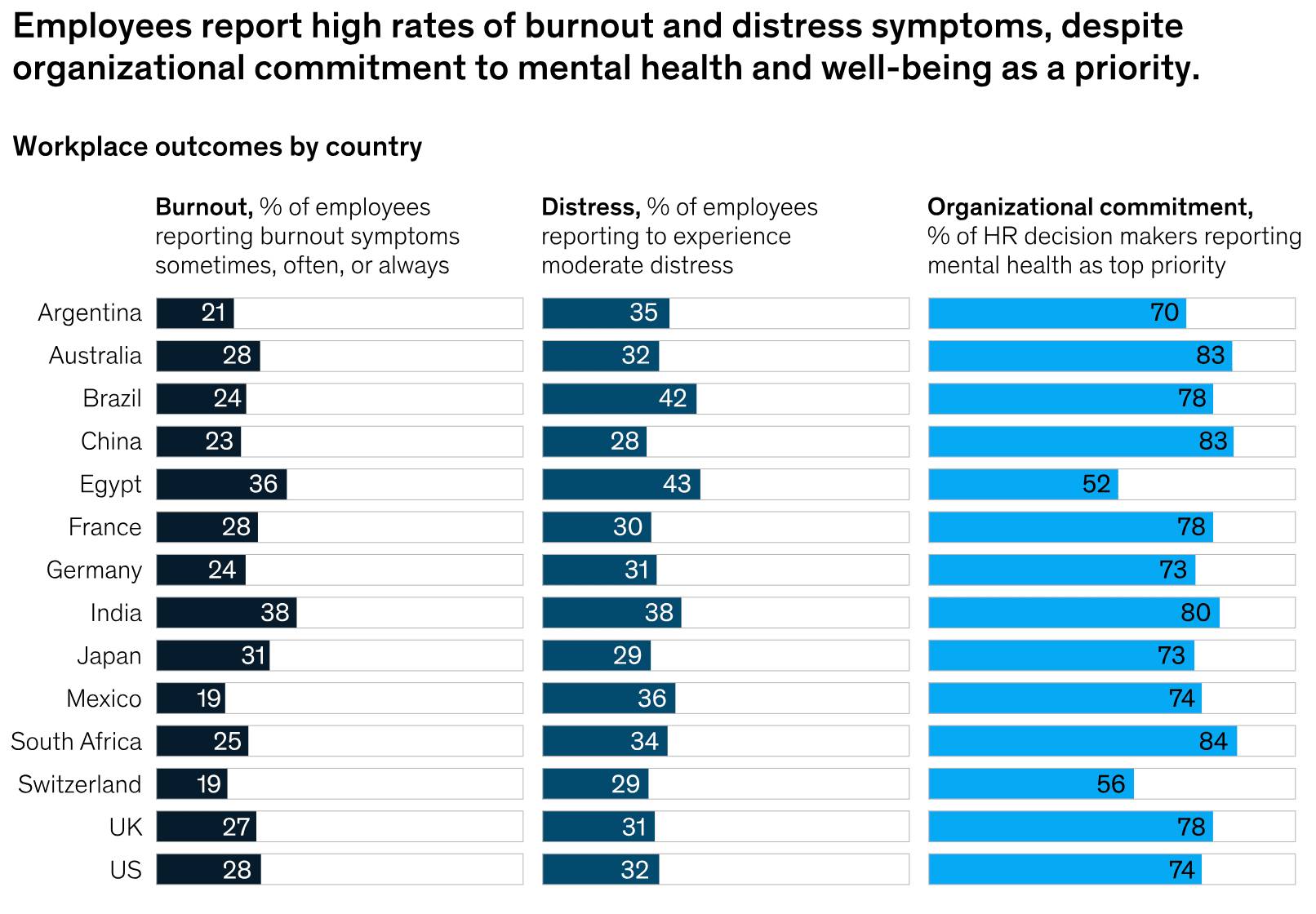
Happy employees equal thriving businesses. Yet McKinsey reported in 2022 that one in four workers shows burnout symptoms. AI tackles this through sentiment analysis of employee feedback, helping HR departments gauge satisfaction levels and pinpoint improvement areas.
4. Finance
Finance teams are embracing AI to automate tedious tasks and sharpen decision-making. AI algorithms streamline bookkeeping and expense management, detect fraud, and generate accurate financial forecasts. Let your accounting team handle complex problems while AI manages the rest.
AI Algorithms Detect Financial Fraud
Fraud detection enables companies to flag suspicious transactions before they become serious problems. AI algorithms trained on massive fraud datasets spot anomalies in real-time, minimizing potential damage from financial fraud.
Automated Bookkeeping and Expense Management
Imagine accounting staff who never make mistakes and finish work in half the time. AI-powered expense management software delivers deep financial insights and catches data patterns human eyes might miss.
Predictive Analytics for Financial Forecasting
AI models provide predictive capabilities that improve budget and forecast decisions. The system automatically analyzes patterns in your data—market trends, customer behavior, historical performance metrics—revealing valuable insights about your organization's financial future.
5. Operations
Without smooth operations, products never reach customers. Backend logistics like inventory management, supply chains, and demand forecasting create real challenges for both startups and large enterprises. Powerful AI algorithms help companies find better suppliers, optimize shipping routes, and maintain equipment more efficiently.
AI-Driven Demand Forecasting
Estimating necessary inventory levels and allocating resources correctly is complex work. AI removes the guesswork. Algorithms analyze historical data, trends, and demand patterns to adjust production levels appropriately—maximizing output while avoiding excess inventory.
Machine Learning for Predictive Maintenance
ML algorithms minimize waste and catch equipment failures before they happen. This proactive problem-solving keeps machines running smoothly, reducing delays and product defects while delivering better user experiences.
AI Optimizes Supply Chain Operations
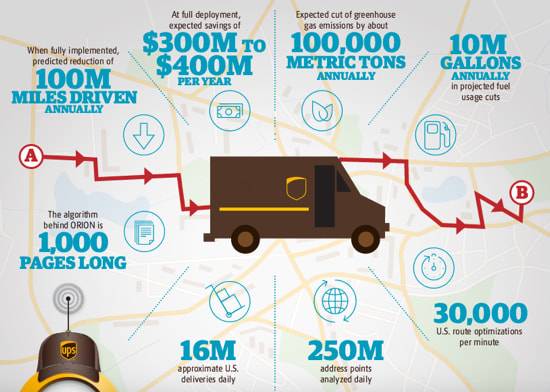
AI gives businesses tighter control over supply chain optimization processes. Consider UPS—one of the world's largest shipping companies deployed AI comprehensively in 2016 to optimize delivery routes. The investment paid dividends: UPS now saves approximately 100 million miles and 10 million gallons of fuel annually. This demonstrates how companies can leverage AI for delivery optimization while supporting environmental goals.
6. Customer Service
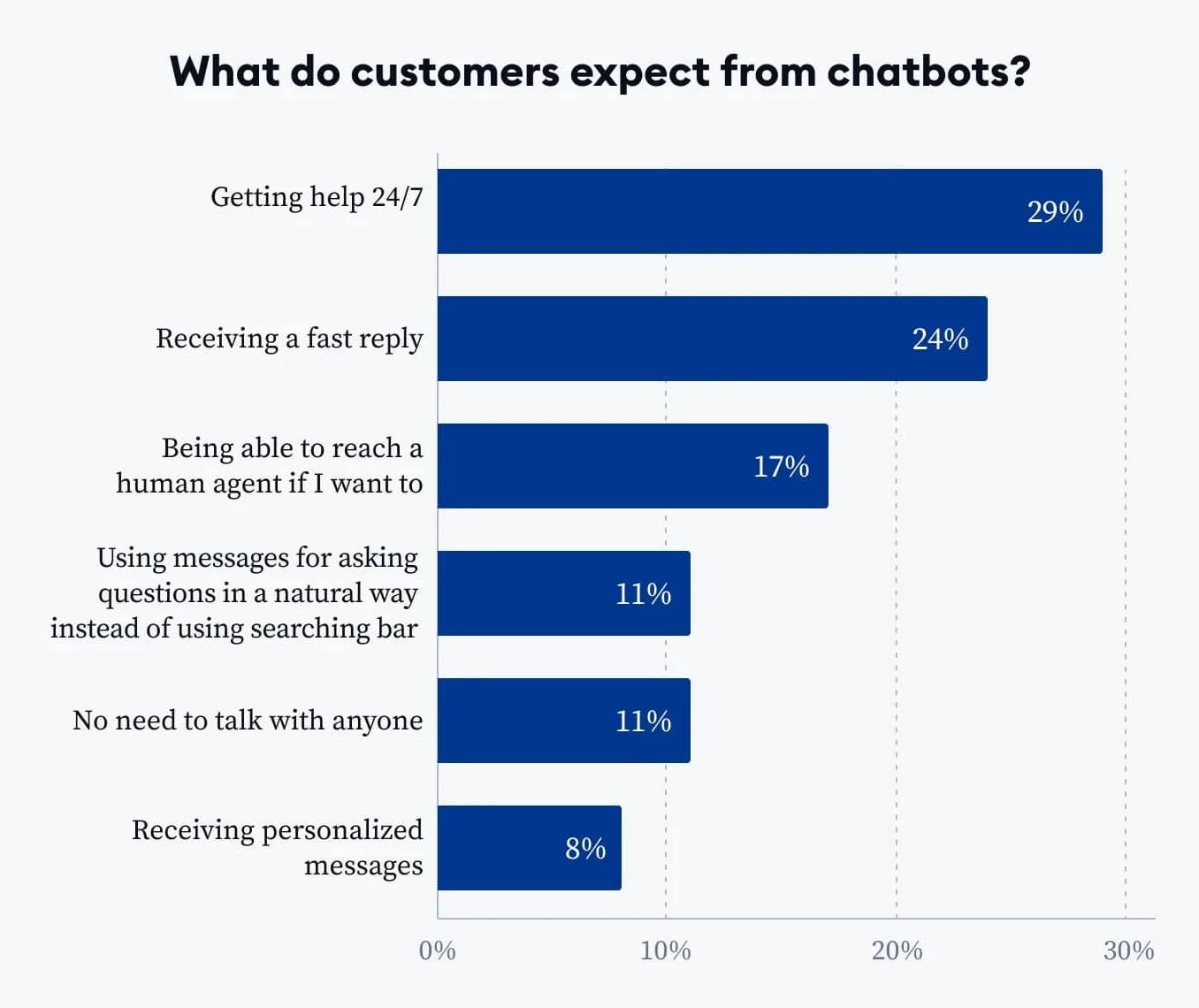
Businesses harness AI's power to deliver superior customer experiences. Customers expect instant support; notably, 62% of consumers prefer chatting with bots over waiting 15 minutes for a human response.
AI Chatbots Deliver 24/7 Support
Customers demand immediate assistance. If you lack resources to staff support 24/7, conversational chatbots maintain customer satisfaction levels. Consider adding voice recognition so customers can speak naturally to your bot.
Personalized Recommendations Drive Custom Experiences
According to Zendesk, 70% of consumers spend more with companies delivering seamless, personalized, frictionless experiences. AI enables this by analyzing purchase history and preferences, then recommending products tailored to individual customers.
Predictive Analytics Anticipates Customer Needs
You can't satisfy everyone all the time, but AI helps you try. Grant machine learning algorithms access to customer data to analyze concerns, behavioral patterns, and general sentiment. This helps you gauge overall customer satisfaction before problems spiral out of control.
7. Security
AI supplies multiple solutions protecting businesses from bad actors.
Real-Time Threat Detection
While humans excel at creativity, AI proves superior at processing massive datasets accurately. This allows security software to detect threats in real-time and alert administrators before damage occurs.
AI catches threats including:
- Financial fraud
- Spam
- Identity theft
- Phishing attacks
- Malware
User Activity Monitoring Flags Suspicious Behavior
AI tracks user activity across platforms and alerts administrators when anomalies surface. Deep learning algorithms detect unusual patterns suggesting malicious behavior or unauthorized access attempts.
AI-generated security reports also provide detailed attack insights and suggest preventive measures for future incidents.
Machine Learning Prevents Forgery and Impersonation
Automated systems often fall prey to multiple threats. AI demonstrates keen attention to subtle signature details, document layout inconsistencies, and typography anomalies—making forgery detection straightforward. For example, AI flags uploaded fake identification documents because the fraud detection system trained on similar counterfeits.
8. Quality Control
Companies deploy AI in quality control processes to catch latent problems early and ensure products meet the highest standards. AI also suggests smarter workflows.
Image Recognition Detects Product Defects
Image recognition algorithms identify product and material defects with impressive accuracy. The technology spots defects and anomalies across various industries—particularly popular in aerospace, where planes generate enormous data volumes.
AI Algorithms Streamline Work Processes
Algorithms identify process improvement opportunities while suggesting novel solutions to boost productivity and slash costs. The insights help businesses recognize hidden risks and uncover improvement or scaling opportunities.
9. Manufacturing
Conceptualizing products and bringing them to market isn't easy. Companies constrained by manufacturing capabilities should consider leveraging AI for both ideation and production processes.
Generative AI Powers Product Design
Designers collaborate with generative AI to test new product concepts. After inputting specifications and budgets, AI generates multiple design options for evaluation—accelerating timelines while fostering creativity and innovation.
Robots Enhance Manufacturing Processes
Deploying robots in manufacturing isn't novel, but integrating AI makes them smarter and more capable. They continuously improve and perform tasks with greater precision than humans.
10. Information Technology
Many IT professionals use AI to simplify daily workflows. AI and machine learning support coding processes and even help develop custom AI software.
AI Code Writing Tools Accelerate Software Development
Trained on massive programming language datasets, these AI tools "understand" and fluently use developer languages. Programmers leverage them for auto-completion, code analysis, and other tasks. The real benefit? Significantly increased productivity through intelligent assistance.
Description: Discover how AI tackles genuine workplace challenges across marketing, sales, HR, finance, and more. Practical applications driving real business resu
Related Articles
- What Is DeepSeek Harness? An Open-Source Agent Runtime Explained
- How to Find and Use AI Prompts for Image and Video Generation on PromptHero
- How to Use Google Sheets AI Summarize to Condense Your Data
- Perplexity vs ChatGPT: Which AI Assistant Should You Actually Use?
- Best AI Image Upscaling Tools to Boost Your Photo Resolution in 2026

No Comment to " 10 Real Business Problems AI Can Actually Solve Right Now "