The 9 Best AI Image Generation Models in 2026
Just two years ago, AI-generated images looked like something a toddler would produce with a broken photocopier: warped faces, extra fingers, and text that was complete gibberish. Fast forward to 2026, and you'll often need to zoom in just to spot the difference between a professional photographer's work and an image FLUX created in 4.5 seconds. The progress is genuinely shocking.
The real challenge now? Picking the right model for your specific project. Each platform has its own strengths and weaknesses, and choosing poorly can mean wasted time and money.
This guide breaks down nine leading AI image models currently available, complete with their key features, limitations, and pricing. Whether you're building a startup tool, creating marketing assets, or just exploring creative possibilities, you'll find what you need here.
1. FLUX.2
Launch Timeline: Pro, Flex, and Dev versions arrived November 25, 2025; [max] launched December 16, 2025; [klein] expected January 2026. (The predecessor FLUX.1 debuted in August 2024.)
Black Forest Labs rolled out FLUX.2 as the next generation, replacing FLUX.1 as their flagship product. It ships in five distinct variants to cover different use cases.
FLUX.2 [max]
- The premium tier for final production work. Available since December 16, 2025.
- "Grounded generation": searches the web for real-time context during image creation, keeping results current and accurate.
- Supports up to 10 reference images to maintain consistency across characters, products, and artistic styles.
- API pricing starts at $0.07 per megapixel.
FLUX.2 Pro
- Built for high-volume production work that demands consistent quality at scale.
- Costs from $0.03 per megapixel—a significant savings over [max].
- Available since November 25, 2025.
FLUX.2 Flex
- Gives you fine-grained control: adjust step counts and prompt adherence levels to fine-tune output.
- Black Forest Labs specifically recommends it for typography-heavy projects.
- Available since November 25, 2025.
FLUX.2 Dev
- The developer-focused option, balancing speed against image quality.
- Integrates cleanly into applications and services.
- Available since November 25, 2025.
FLUX.2 [klein]
- A lightweight model arriving in January 2026.
- Two sizes with different licensing: klein-4B (Apache 2.0 for unlimited commercial use) and klein-9B (non-commercial only).
- Free tier available through the AI/ML API Playground.
All FLUX models share these core strengths:
- Exceptional range of artistic styles and aesthetics.
- Support for multiple resolutions baked in.
- Improved ethical standards and reduced bias in generated outputs.
2. Midjourney V8.1
Launch Timeline: V8.1 rolled out in April 2026 and became the default model in June 2026. (V7 premiered in April 2025.)
Midjourney V8.1 raises the bar for artistic image generation. It cements the platform's reputation as the undisputed leader in artistic rendering. Compared to earlier versions, V8.1 generates images 4-5 times faster, follows detailed prompts with pinpoint accuracy, and renders text within images far more legibly.
Pricing Structure:
- Basic: $10/month (roughly 200 image generations)
- Standard: $30/month (roughly 900 generations)
- Pro: $60/month (roughly 2,000 generations)
- Mega: $120/month (roughly 4,000 generations)
3. Stable Diffusion 3.5
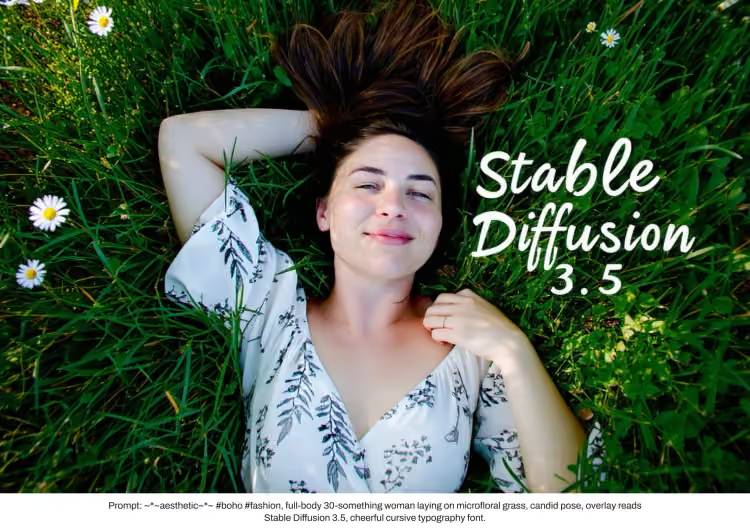
Launch Timeline: October 2024
Stability AI delivered a major breakthrough with Stable Diffusion 3.5. The open-source community's enthusiastic response speaks volumes about its quality. The model comes in three size variants with these standout features:
- Noticeably improved image quality over SDXL
- Exceptional prompt adherence—even complex, detailed instructions are followed accurately
- Industry-leading performance despite a smaller model footprint (10.5 billion parameters)
- High-resolution image support with consistently sharp detail
- Three size options for different hardware and resource constraints
If you want total control over your generation process (and don't mind tinkering a bit), Stable Diffusion 3.5 is hard to beat. The quality improvements also make it genuinely accessible for newcomers—a major step up from earlier versions.
4. Imagen 4
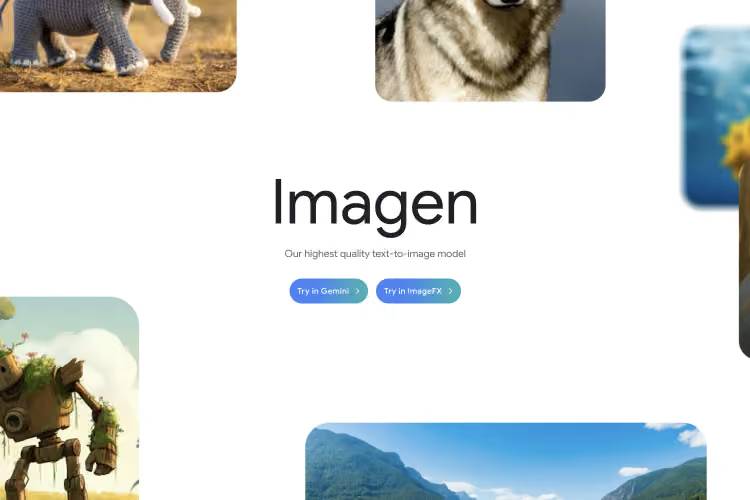
Launch Timeline: Preview launched May 20, 2025; general availability began August 14, 2025. (Imagen 3 came out in August 2024.)
Google has achieved impressive results with Imagen 4:
- State-of-the-art text rendering within images—arguably the model's greatest strength.
- Excellent spatial reasoning and contextual understanding.
- Integrated into Google's ecosystem through:
- ImageFX: a dedicated web platform for image generation
- Gemini: Google's AI assistant with built-in generation capabilities
- "Expressive Chips": a creative feature lets you modify prompt elements on the fly.
Important Notice: Google plans to discontinue the entire Imagen line on August 17, 2026, and recommends switching to Nano Banana models (Google's newer Gemini-based generators). If you're just starting with Imagen 4, plan your migration now.
5. GPT Image 2 (Successor to GPT Image 1.5 and DALL-E 3)
Launch Timeline: GPT Image 2 arrived in April 2026. (GPT Image 1.5 preceded it; DALL-E 3 debuted in September 2023.)
OpenAI has now replaced its image model twice: DALL-E 3 gave way to GPT Image 1.5, and as of April 2026, GPT Image 2 is the official image generator powering ChatGPT and available via API. Here's what it brings:
- Dramatically improved photorealism compared to previous versions.
- Superior accuracy on complex, multi-part prompts.
- Excellent multilingual text rendering, including longer passages.
- Seamless ChatGPT integration for natural language image creation.
- Consistent image sequences and style variations.
- Uses C2PA Content Credentials to label AI-generated images.
6. Grok Imagine
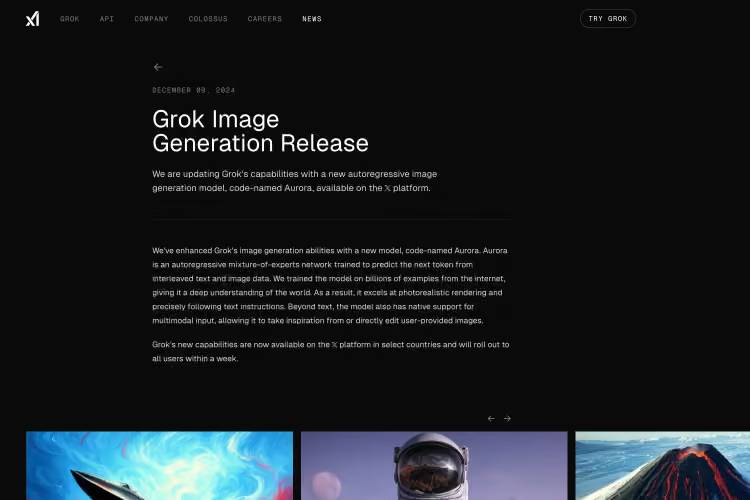
Launch Timeline: Launched July 2025 as Grok Imagine. (Built on xAI's internal Aurora model, which continues running independently since December 2024.)
xAI—Elon Musk's company, now operating under SpaceX as SpaceXAI—released Grok Imagine in July 2025. It runs on xAI's proprietary Aurora model, which operates independently alongside it:
- Focuses on creating highly realistic, photographic images.
- Handles complex prompts with impressive accuracy.
- Integrated into the Grok platform for smooth text-to-image workflows.
- Strong performance on natural, believable imagery.
- Impressive detail reproduction and texture quality.
7. Adobe Firefly Image 3
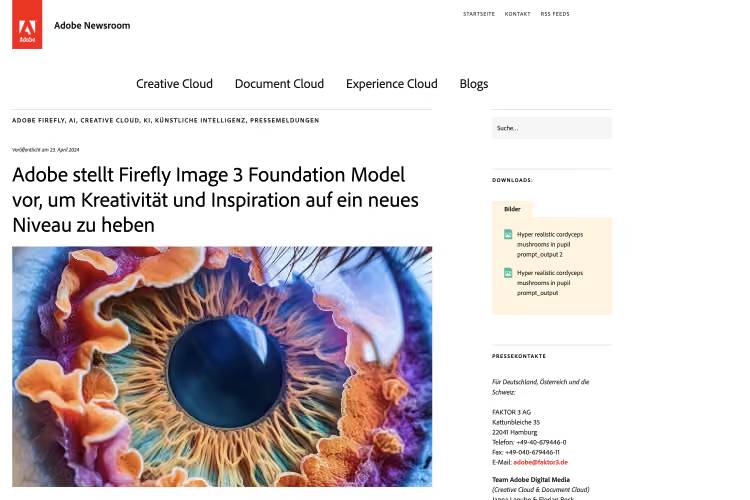
Launch Timeline: April 2024
Adobe significantly expanded professional features with Firefly Image 3:
- Native integration into Creative Cloud apps—Photoshop, Illustrator, and more.
- Trained specifically on Adobe's proprietary content library and licensed imagery.
- Professional-grade outputs suitable for commercial work with legal clarity.
- Enhanced editing options after generation:
- Improved Generative Fill with higher consistency.
- More accurate Generative Expand.
- Expanded Freeform mode for greater creative control.
- Industry-specific design templates and customizable styles.
8. Ideogram 4.0
Launch Timeline: June 3, 2026. (Ideogram 2.0 arrived in August 2024.)
With version 4.0—featuring a new architecture with open weights—Ideogram cemented its status as the text-in-images specialist:
- Unmatched ability to integrate text into images.
- Perfect text rendering across diverse fonts and styles.
- Flexible style adjustments for varied aesthetic requirements.
- Intuitive interface that gives you precise control over final output.
- Exceptional performance generating logos, banners, and promotional materials.
Need text embedded in your images regularly (logos, banners, ads)? Ideogram 4.0 should be your first stop.
9. Recraft v3
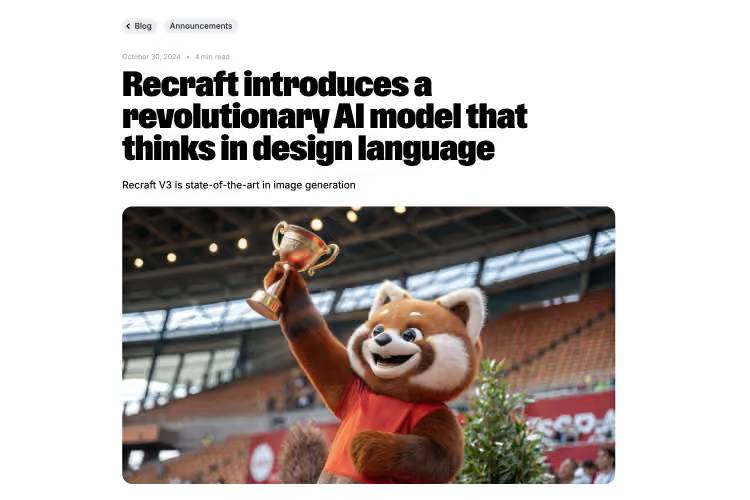
Launch Timeline: October 2024
Recraft v3 topped important performance benchmarks:
- Leading results in head-to-head model comparisons.
- Excellent balance between speed and image quality.
- Flexible API integration for developers and platforms.
- Intuitive web interface for end users.
- Strong performance on detailed artistic styles.
What's interesting about Recraft v3 is how it manages to be both beginner-friendly and powerful. Whether you're new to AI image generation or deeply experienced, it performs reliably without sacrificing accessibility for capability.
Comparison Table: AI Image Models
| Model | Version | Image Quality | Text Quality | Realism | Artistic Style | Price | License | API |
|---|---|---|---|---|---|---|---|---|
| FLUX.2 | [max] | ⭐⭐⭐⭐⭐ | ⭐⭐⭐⭐ | ⭐⭐⭐⭐⭐ | ⭐⭐⭐⭐ | High | Commercial | ✅ |
| FLUX.2 | Pro | ⭐⭐⭐⭐⭐ | ⭐⭐⭐⭐ | ⭐⭐⭐⭐⭐ | ⭐⭐⭐⭐ | Medium–High | Commercial | ✅ |
| FLUX.2 | Flex | ⭐⭐⭐⭐ | ⭐⭐⭐⭐⭐ | ⭐⭐⭐⭐ | ⭐⭐⭐⭐ | Medium–High | Commercial | ✅ |
| FLUX.2 | [klein] | ⭐⭐⭐⭐ | ⭐⭐⭐ | ⭐⭐⭐⭐ | ⭐⭐⭐ | Low/Free | klein-4B: Apache 2.0 / klein-9B: Non-commercial | ✅ |
| Stable Diffusion | 3.5 | ⭐⭐⭐⭐ | ⭐⭐⭐ | ⭐⭐⭐⭐ | ⭐⭐⭐⭐ | Free | Open Source | ✅ |
| Imagen | 4 | ⭐⭐⭐⭐⭐ | ⭐⭐⭐⭐⭐ | ⭐⭐⭐⭐⭐ | ⭐⭐⭐ | Free | Restricted | ✅ |
| GPT Image 2 | (Successor to GPT Image 1.5 and DALL-E 3) | ⭐⭐⭐⭐⭐ | ⭐⭐⭐⭐⭐ | ⭐⭐⭐⭐⭐ | ⭐⭐⭐⭐ | High/Free via Bing | Commercial | ✅ |
| Midjourney | V8.1 | ⭐⭐⭐⭐⭐ | ⭐⭐⭐⭐ | ⭐⭐⭐⭐ | ⭐⭐⭐⭐⭐ | Subscription ($10–120/mo) | Commercial (restricted) | ❌ |
| Grok Imagine | Standard | ⭐⭐⭐⭐⭐ | ⭐⭐⭐⭐ | ⭐⭐⭐⭐⭐ | ⭐⭐⭐⭐ | Part of Grok | Commercial | ❌ |
| Adobe Firefly | Image 3 | ⭐⭐⭐⭐⭐ | ⭐⭐⭐⭐⭐ | ⭐⭐⭐⭐ | ⭐⭐⭐⭐ | Part of CC/Free | Commercial | ✅ |
| Ideogram | 4.0 (Open weights) | ⭐⭐⭐⭐ | ⭐⭐⭐⭐⭐ | ⭐⭐⭐⭐ | ⭐⭐⭐⭐ | Subscription/Free tier | Commercial | ✅ |
| Recraft | v3 | ⭐⭐⭐⭐⭐ | ⭐⭐⭐⭐ | ⭐⭐⭐⭐ | ⭐⭐⭐⭐⭐ | Subscription/Free tier | Commercial | ✅ |
Which Model Is Right for You?
The best choice depends entirely on your specific needs. Here's a quick guide to narrow it down:
- For the highest image quality: FLUX.2 Pro, Stable Diffusion 3.5, or Grok Imagine deliver the best results for sharpness, detail, and accuracy.
- For embedding text in images: Ideogram 4.0 and Imagen 4 excel at rendering legible, attractive text directly within generated images.
- For video generation: Veo 3.1 offers impressive video quality and duration (note: this wasn't covered in the full comparison but is mentioned in recommendations).
- For speed: FLUX.2 [klein] and Recraft v3 both prioritize fast processing without major quality sacrifices.
- For prompt accuracy: GPT Image 2 understands complex, layered requests better than most competitors—it excels with demanding specifications.
- For artistic projects: Midjourney V8.1 remains the gold standard for creating visually stunning, aesthetically polished artwork.
- For professional design work: Adobe Firefly Image 3 integrates seamlessly into Creative Cloud and offers legal assurance for commercial projects.
- For open-source freedom: Stable Diffusion 3.5 gives you maximum customization and control—all completely free.
- For enterprise applications: Adobe Firefly Image 3 or Imagen 4 (via Google Cloud) provide scalability and legal protection for business use—though note that Google discontinues Imagen support August 17, 2026, so plan accordingly.
Description: Compare top AI image generators like FLUX.2, Midjourney V8.1, and Stable Diffusion 3.5. Find the perfect model for your needs.
Related Articles
- The Best AI Tools for Teachers in 2026: A Practical Guide
- ASUS Lets AI Agents Take Control of Display Settings
- Setting Up CLAUDE.md for Claude Code: Complete Guide with Templates
- How to Create AI News Anchor Videos: A Complete Step-by-Step Guide
- Running OpenAI Codex Directly in Google Chrome: Here's What You Need to Know

No Comment to " The 9 Best AI Image Generation Models in 2026 "